Manufacturing preparation guides
Start with the result you need, then prepare the files and requirements that let an engineer choose a suitable process.
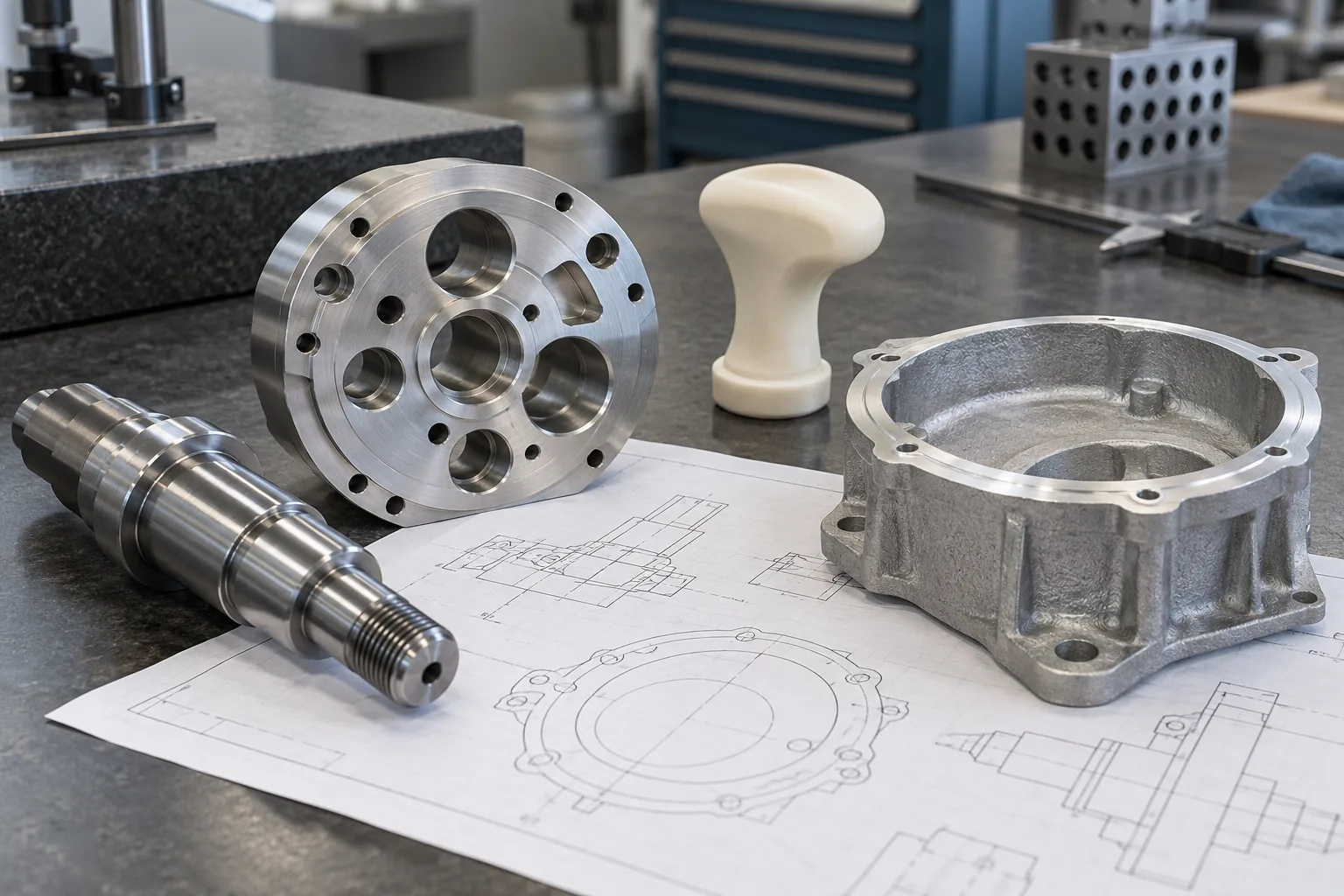
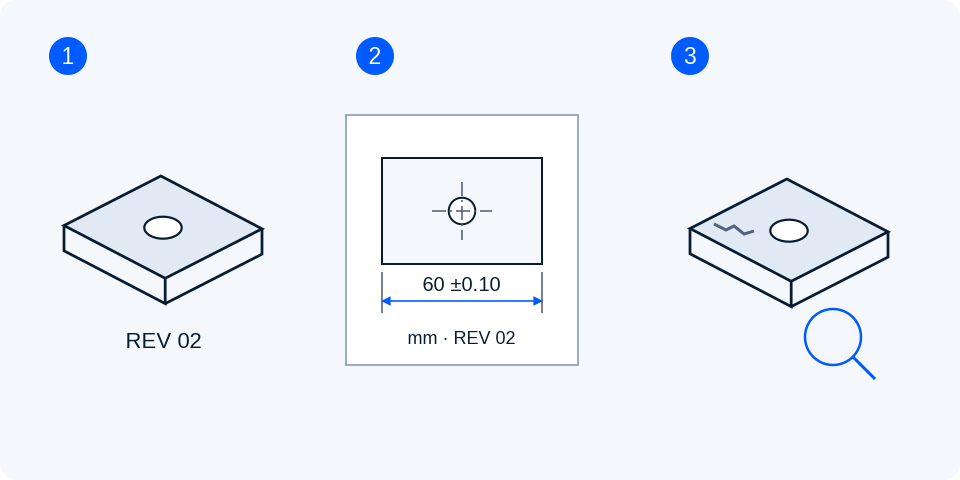
CNC machiningWalls, radii, pockets, workholding, tolerances, machining axes, EDM, grinding, and coatings.3D printingMaterial choice, clean geometry, orientation, supports, fit, and post-processing.3D scanningSurface access, preparation, measurement requirements, mesh, and reverse-engineered CAD.
What should you send?
| Process | Starting information | Decisions to resolve |
|---|---|---|
| CNC machining | Solid CAD, matching drawing, material grade and condition, quantity, and finish. | Critical datums and fits, tool access, clamping, coating allowances, and inspection scope. |
| 3D printing | A clean model at the intended scale, quantity, application, and material requirements. | Load direction, support-contact areas, hollow regions, mating clearances, and supplied finish. |
| 3D scanning | Photos, dimensions, approximate weight, surface condition, and intended use of the data. | Preparation permissions, mesh versus CAD, accuracy needs, and treatment of missing areas. |
Design, casting, or molding instead?
These service pages explain the starting information for additional processes. Confirm material, tooling, quantity, and deliverables during review.