Quantity
1–1,000 parts for low-volume production review.
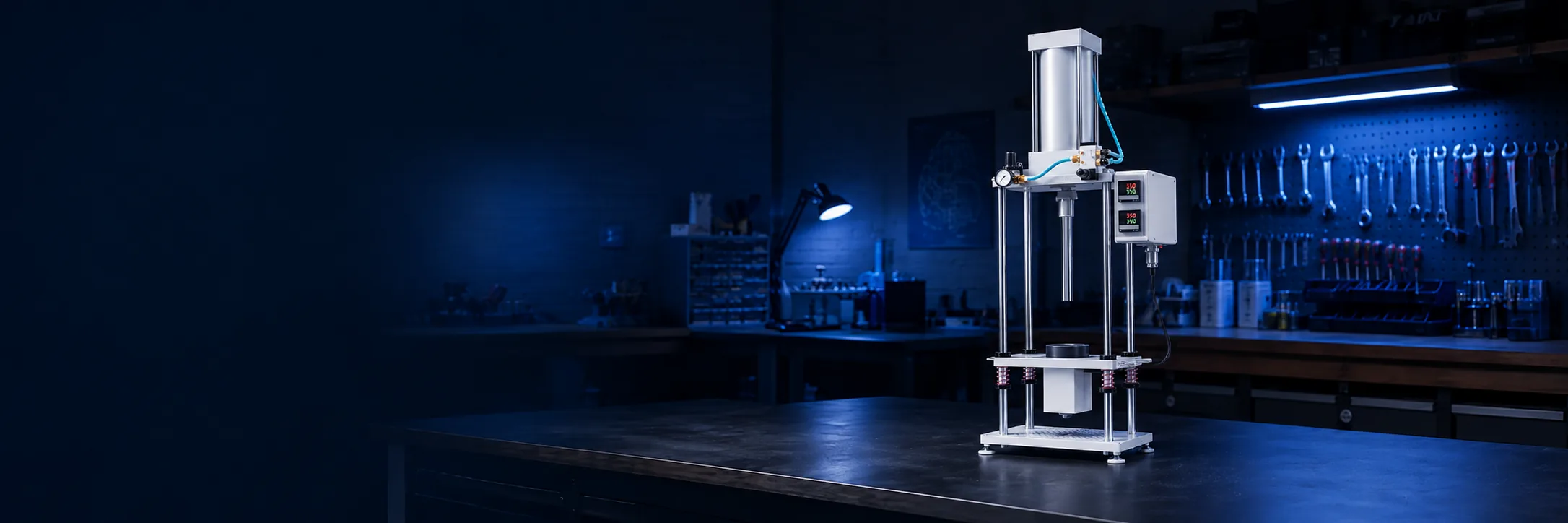
PIMM low-volume production
A practical route for pilot runs, fit checks, and repeat batches when you need real molded parts without buying a machine yet. Send the part, mold, material, quantity, and intended use for review.
1–1,000 parts for low-volume production review.
Up to 50 g per shot, subject to part and mold review.
Plastics melting at no more than 350 °C.
Our pneumatic PIMM route is designed to make short runs practical. You can validate fit and function without committing to a full industrial setup first.
A simple mold may start from about 2,500 Baht, compared with roughly 100,000 Baht for an industrial injection-molding machine setup. That difference can make pilot production much easier to justify.
Use our machine for a defined batch up to 1,000 parts, then decide whether owning a PIMM machine makes sense for larger or recurring demand.
A five-part order carries more setup and mold cost per part than a 1,000-part order. We quote the quantity you actually need and explain the trade-off before production.
The 2,500 and 100,000 Baht figures are planning examples, not a guaranteed quote. Final cost depends on part geometry, mold design, material, finish, quantity, and inspection requirements.
This service is for a defined, reviewable batch. We confirm the mold, material, part geometry, and quantity before promising a production scope.
Validate fit, function, material behavior, or an early customer sample with a run up to 1,000 parts.
Share the mold design, photos, or existing tool details. Mold condition and part geometry affect whether the machine can run the job safely.
More than 1,000 parts may justify owning the equipment. Compare the PIMM machine and purchasing path at shop.maliev.com.
Parts & use cases
The sample shows a real molded surface and geometry. It does not establish the material grade, application, or suitability of your part without review.
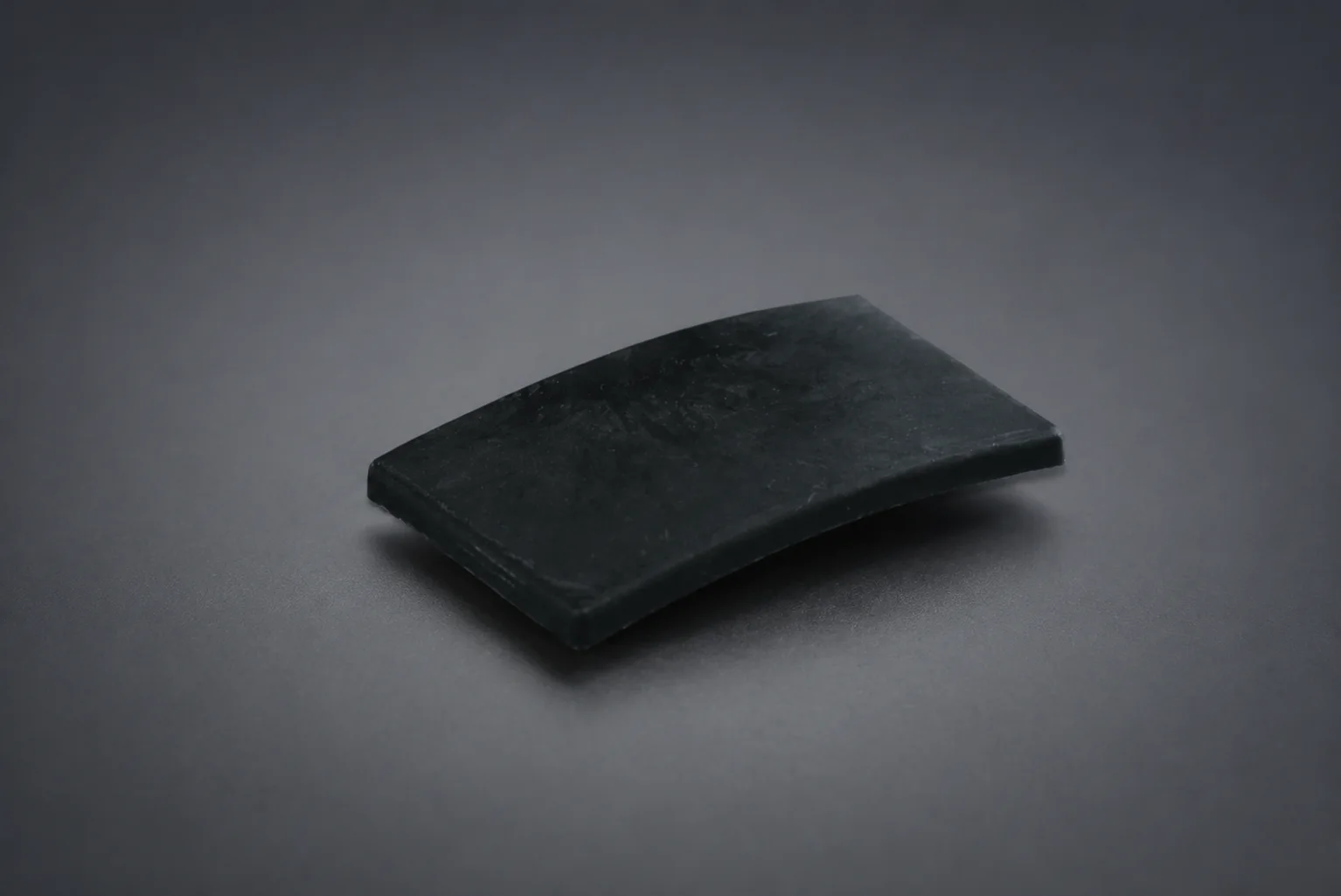
The source is an owner-confirmed production photograph. The scene does not assign a customer, end use, measured result, or material grade beyond the confirmed PP folder provenance.
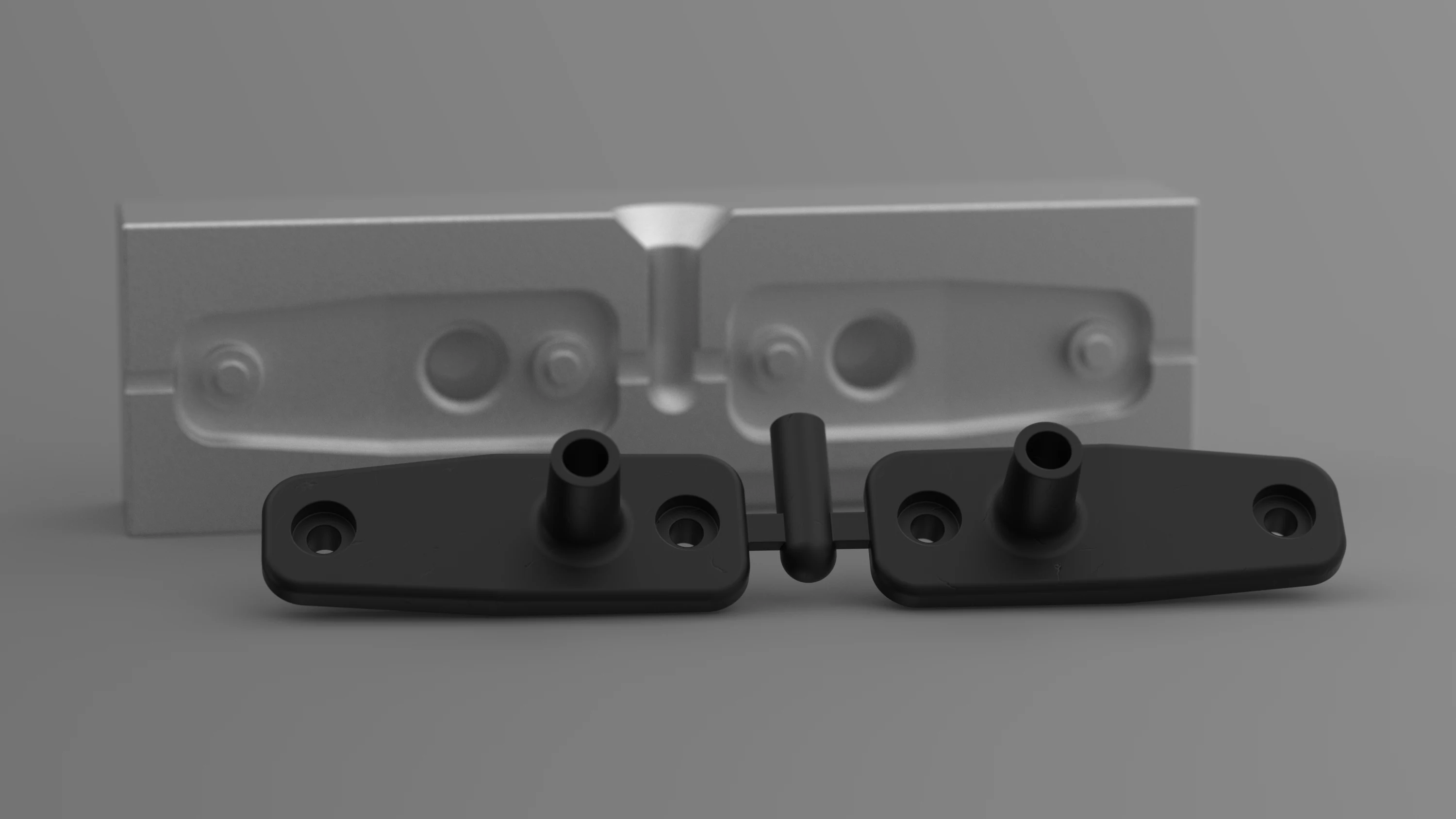
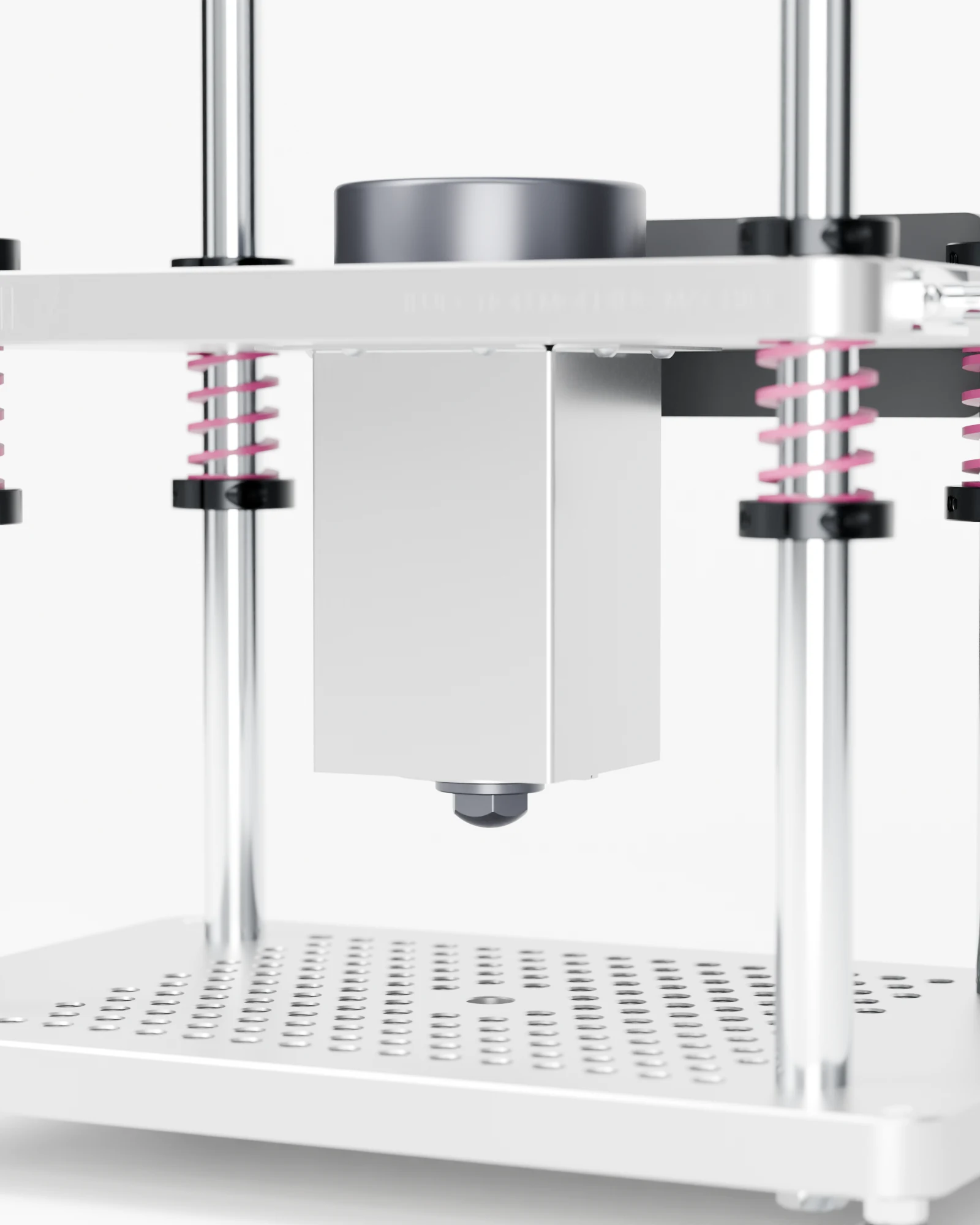
These are service-fit examples, not claims about the photographed part's actual application.
We confirm machine fit, material limits, tooling questions, and the quoted lot before production.
Material behavior, mold readiness, and lot size all affect the safe setup and the price per part. Share the details you know and we will confirm the route before production.
A practical option for many lightweight parts; we check the geometry, shrinkage, and intended use before quoting.
Suitable grades depend on the part and required stiffness. Send the grade or required behavior when known.
Useful for rigid prototypes and housings when the mold and finish requirements are defined.
A common engineering plastic for functional prototypes; final suitability depends on melt temperature and part design.
We can make a mold for the job. Send the 3D design or part, target quantity, material, and finish so we can review and quote the mold and molding work together.
The unit price normally falls as the lot grows: five parts carry more setup and mold cost per part than 1,000 parts. We quote the quantity you actually need.
POM is excluded from this service. POM (acetal) is a specialist material with a narrow, grade-specific processing window. Manufacturer guides cite melt settings around 205–220 °C for some grades and warn that degradation accelerates above roughly 230 °C; these figures are not a universal recipe. Overheating, excessive shear, long residence time, or contamination with PVC can decompose POM, release irritating formaldehyde-containing fumes, and rapidly increase barrel pressure. Safe POM processing needs dedicated controls, purge/shutdown procedures, and local exhaust ventilation. We can review a supported material or refer you to an industrial process set up specifically for POM.
These product renders show the pneumatic frame, temperature controllers, valve and gauge assembly, nozzle area, and a sample mold. They are reference images—not a substitute for a project-specific fit review.
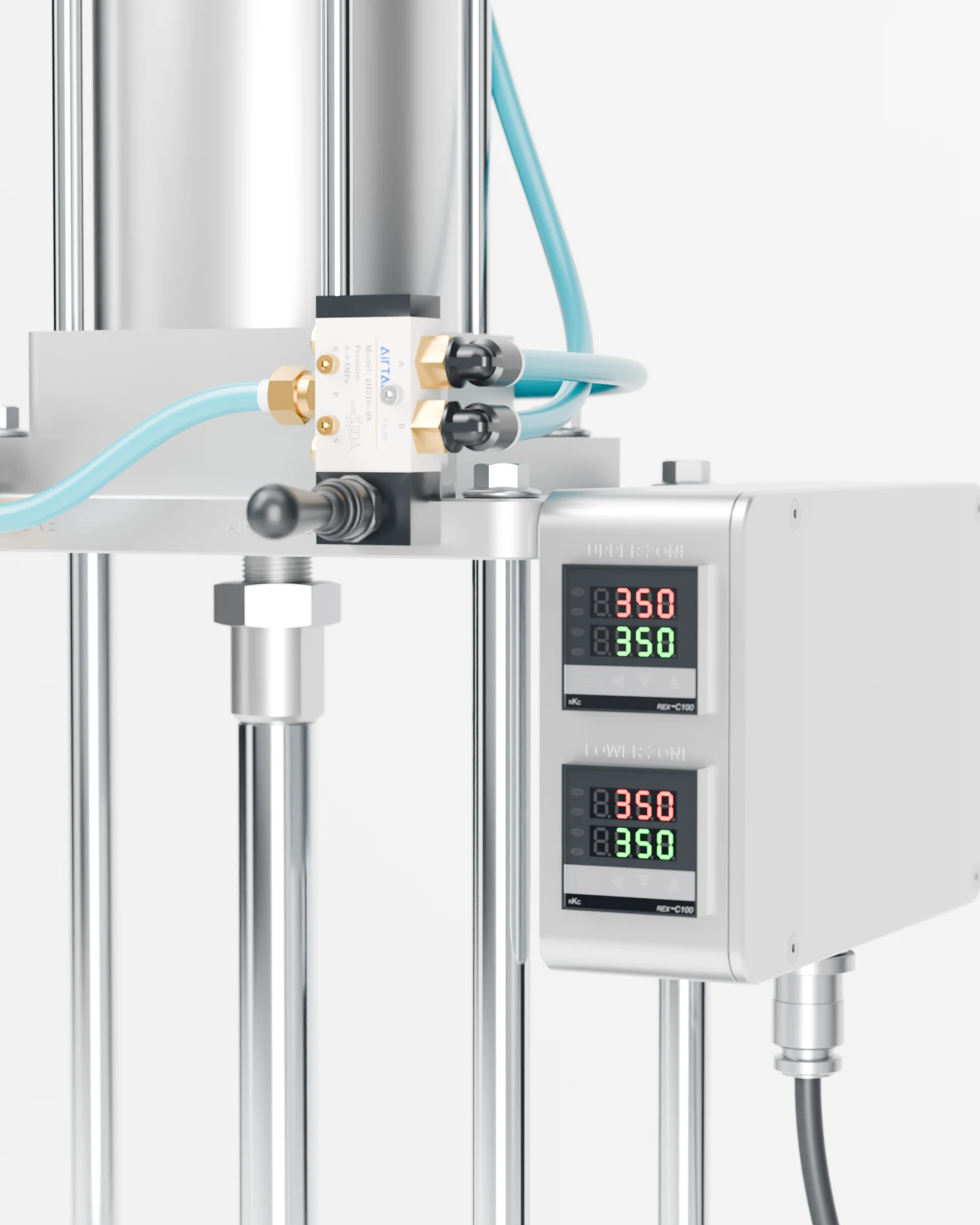
The controller and pneumatic valve assembly are shown clearly so the material and process discussion starts from the actual machine configuration.
Confirm the gate, nozzle, and mold interface during review; the part and tool determine the practical setup.
A mold image helps us understand the cavity layout, inserts, and likely clamping or access questions before quoting.
Share CAD or drawings, mold information, material, quantity, and intended use.
We review the geometry, mold, shot weight, melt temperature, and handling requirements.
The agreed quantity, material, finish, inspection, and delivery expectations are written into the review.
We make and check the agreed low-volume batch, or redirect larger demand to the machine-purchase path.
Send the project for a part, mold, material, and quantity review.
Start the reviewCompare ownership and production flexibility with the PIMM machine at shop.maliev.com.
Visit shop.maliev.comThis service is scoped for pilot runs and repeat batches up to 1,000 parts. If your requirement is more than 1,000 parts, compare the economics of owning a PIMM machine at shop.maliev.com.
The pneumatic machine supports shot weights up to 50 g and plastics melting at no more than 350 °C. Final suitability still depends on the part, mold, material, quantity, and intended use, so MALIEV confirms the scope during review.
Send the CAD or drawing, mold details or photos, material or required behavior, quantity, critical dimensions, finish expectations, and intended use. Mark unknown items clearly so they can be resolved before production.
We review PP, PE, PS or HIPS, and ABS for this service, subject to the part, mold, and melt-temperature limits. POM is not offered for this route because its grade-specific processing window requires dedicated temperature control, purge/shutdown procedures, and local exhaust ventilation. Overheating, excessive shear, long residence time, or PVC contamination can cause decomposition and hazardous formaldehyde-containing fumes.
Yes. Send the 3D design, part, target quantity, and any material or finish requirements. We can review the mold approach and quote the tooling and molding work together.
Yes. A five-part order normally carries a higher unit price than a 1,000-part order because setup and mold costs are spread across fewer parts. We quote the lot size you actually need.
Yes. A purchased PIMM machine is installed at the customer location. Outside the Bangkok metropolitan area, installation and travel are quoted by distance. Share the delivery address and site-access requirements so the installation scope can be confirmed.
Use these starting points to choose a service. The final quotation is confirmed after we review geometry, material, quantity, finish, tolerances, and delivery requirements.
A mold for short runs can start far below industrial tooling cost, subject to part and mold review.
Starts at approximately THB 2,500Unit price falls as the lot grows. We review material, shot weight, mold, and quantity before quoting.
Quote after part reviewThis service is intended for low-volume work up to 1,000 parts. Larger runs may be better served by purchasing the PIMM machine.
Up to 1,000 partsPrices are planning references, not a binding offer. We will confirm the scope, tax, delivery, and any revision or finishing work before production.
We accept customer files throughout Thailand and ship completed parts nationwide by parcel. Shipping within Thailand starts at THB 100; the final amount depends on packed weight, parcel volume, and destination.
Pickup is available at our Pak Kret workshop by appointment. For workshop consultation, drop-off, or collection in Pak Kret, notify us by phone or LINE Official Account, or schedule an appointment before visiting.
Onsite work is available for applicable services after project review; travel is quoted by distance and project scope.
Maliev Co., Ltd.
Business hours
Monday-Friday: 09:00-18:00
Saturday-Sunday: Closed
Send the evidence you have. We will confirm whether the low-volume route fits, or point you to the PIMM machine for a larger run.