Upload
STL, STEP, OBJ, 3MF, and supported CAD files.

FDM, Resin & Industrial Additive
MALIEV provides 3D printing services across Thailand. Upload FDM or resin parts for an instant estimate, or request an engineering review for MJF, SLS, SLM, DMLS, and safety-critical parts so process, material, finishing, and inspection can be confirmed per project.
See actual MALIEV-produced parts
Not sure 3D printing is the right process? Start with a custom manufacturing review.
STL, STEP, OBJ, 3MF, and supported CAD files.
FDM for durable parts; resin for fine detail and smooth surfaces.
General, engineering, carbon-fiber, ESD, FR, flexible, and resin options.
Geometry, material, size, support, orientation, finish, and quantity.
Quote-ready file guide
These formats are accepted starting points. A supported extension does not guarantee an instant price: units, geometry integrity, process fit, and the intended use still need to be checked.
Use the calculator when the required material is selectable and the model is ready for an online preliminary estimate.
Use engineering review for MJF, SLS, SLM, DMLS, safety-critical work, or any part whose process, finish, inspection, or operating conditions must be confirmed.
Not sure which route fits? Compare CNC machining · Review scanning and reverse engineering · Start a custom manufacturing review
The best process depends on part purpose, detail, strength, surface finish, size, material behavior, and budget.
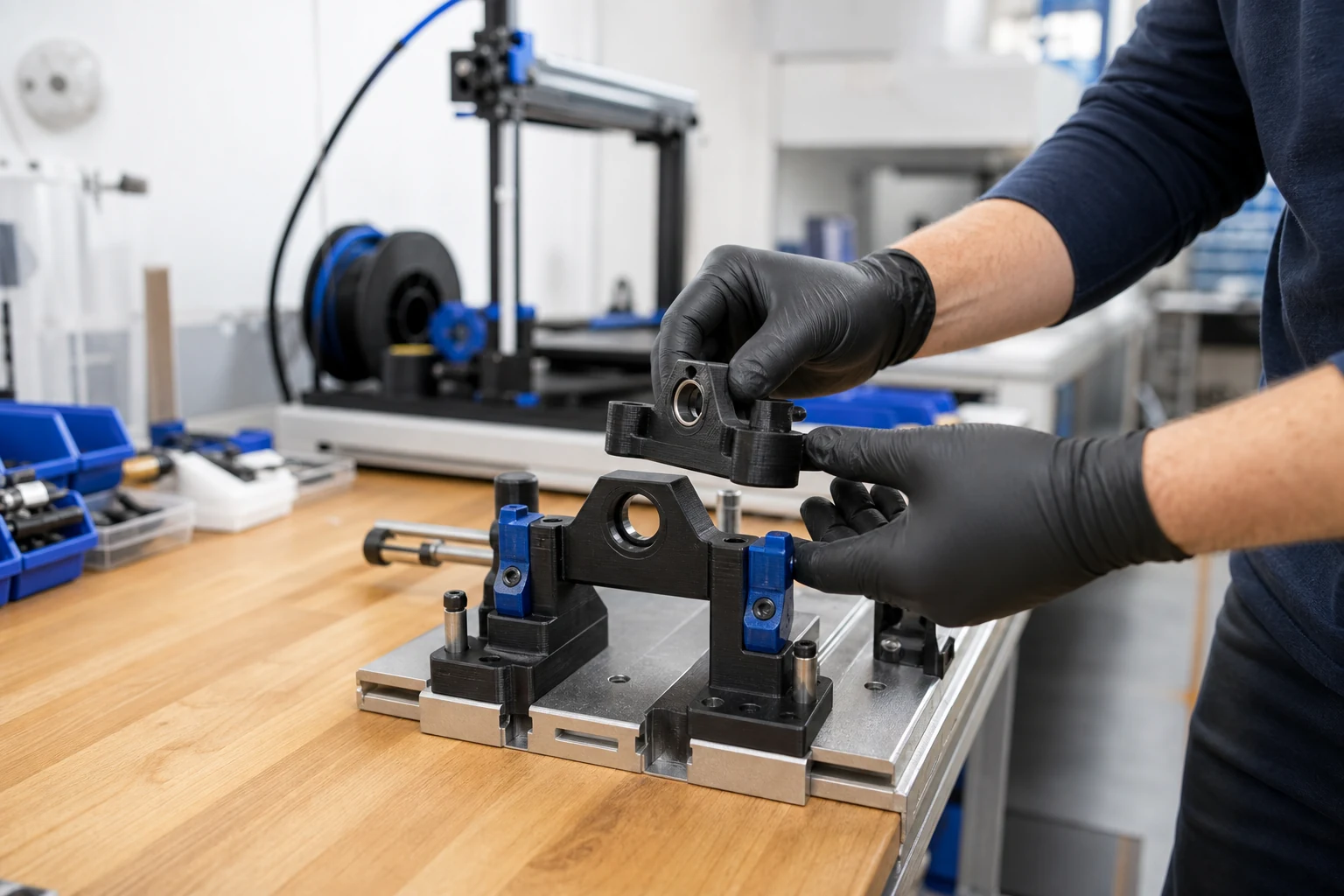
FDM builds thermoplastic parts layer by layer. It is a practical choice for fit checks, brackets, enclosures, jigs, fixtures, ducts, and low-volume functional components.
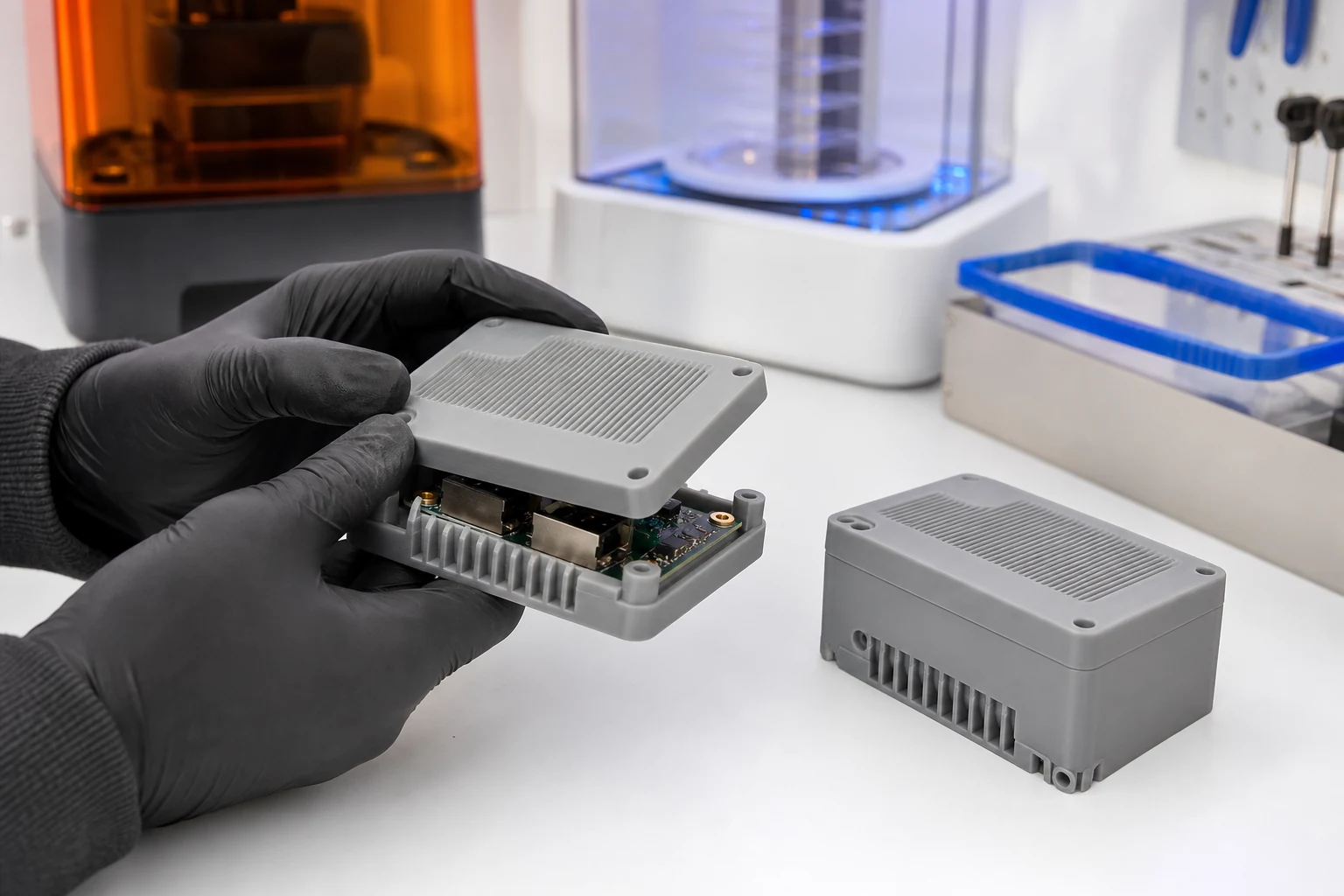
Resin processes cure liquid photopolymer for fine features and smooth presentation surfaces. They suit detailed models, small prototypes, clear parts, flexible details, and casting patterns.
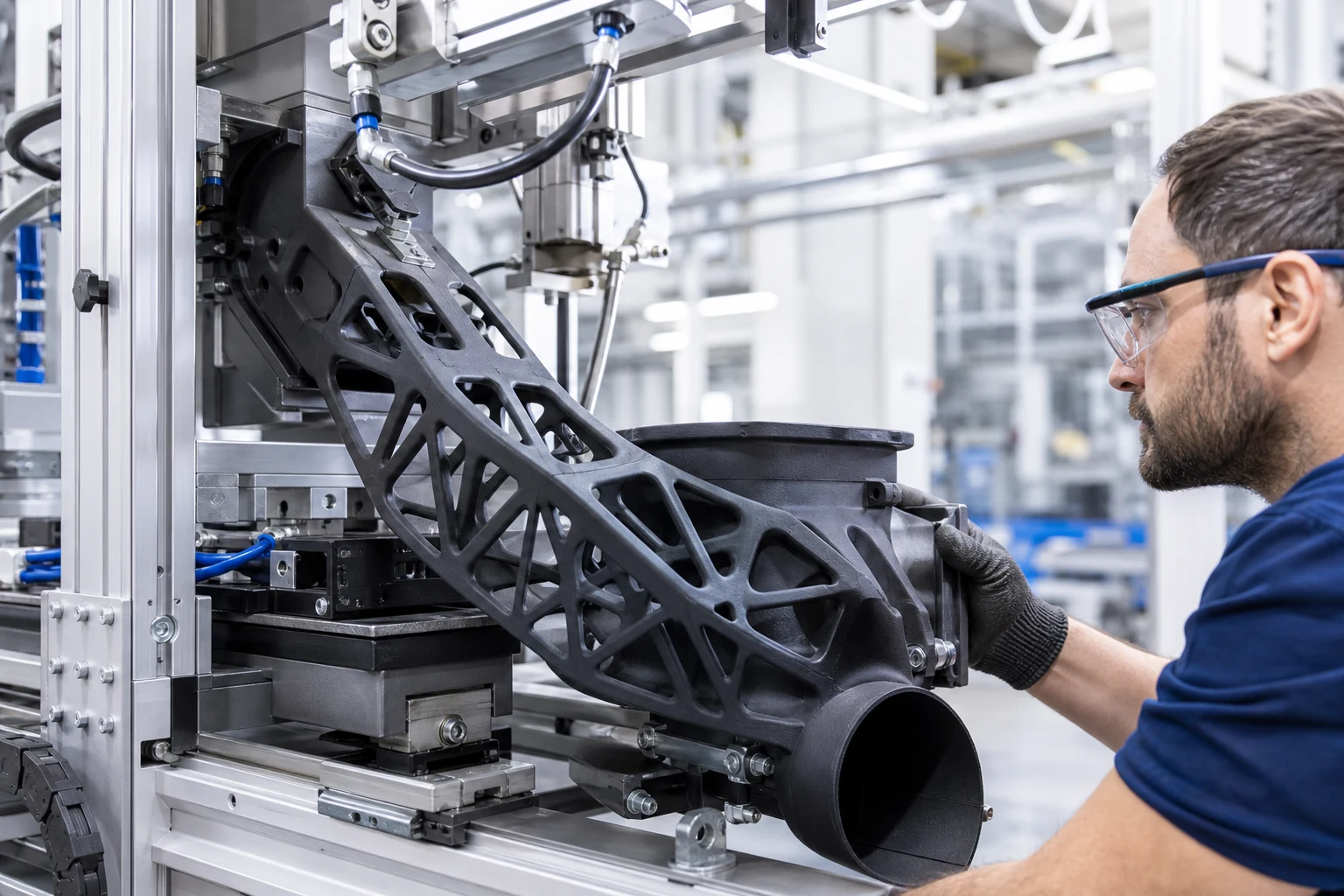
Industrial additive processes can make lightweight ducts, brackets, fixtures, and complex low-volume components. The real load, heat, chemicals, and safety requirements still need engineering review.
Industrial additive
MJF and SLS polymer parts, plus SLM and DMLS metal parts, are reviewed manually rather than priced by the FDM/resin calculator. Requirements are confirmed for each project before quotation.
Actual produced parts
Hover, focus, or tap each image to see its material and defining geometry. Every presentation is anchored to an owner-confirmed original production photo.
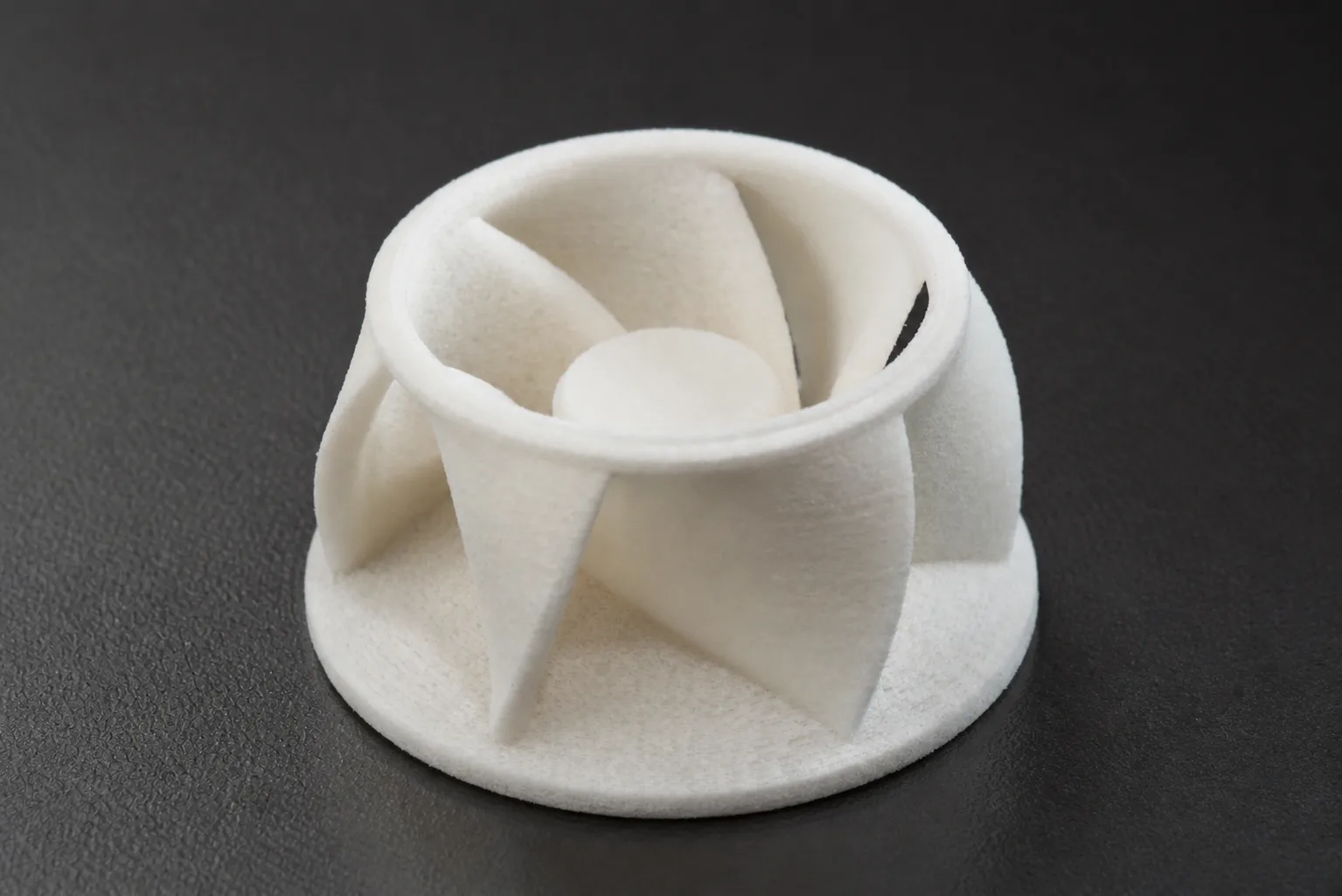
Complex internal geometry and powder-bed surface
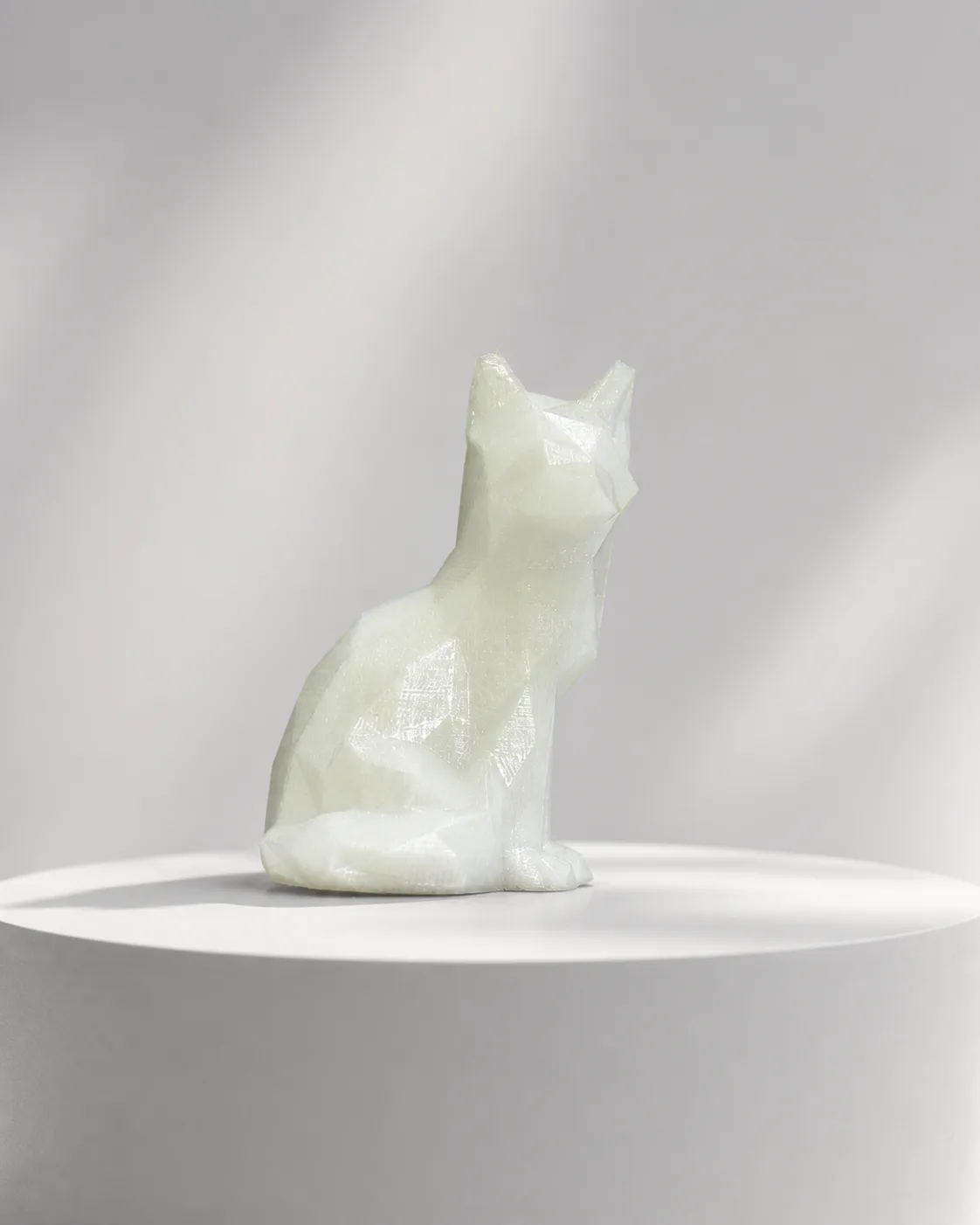
Faceted form and translucent surface
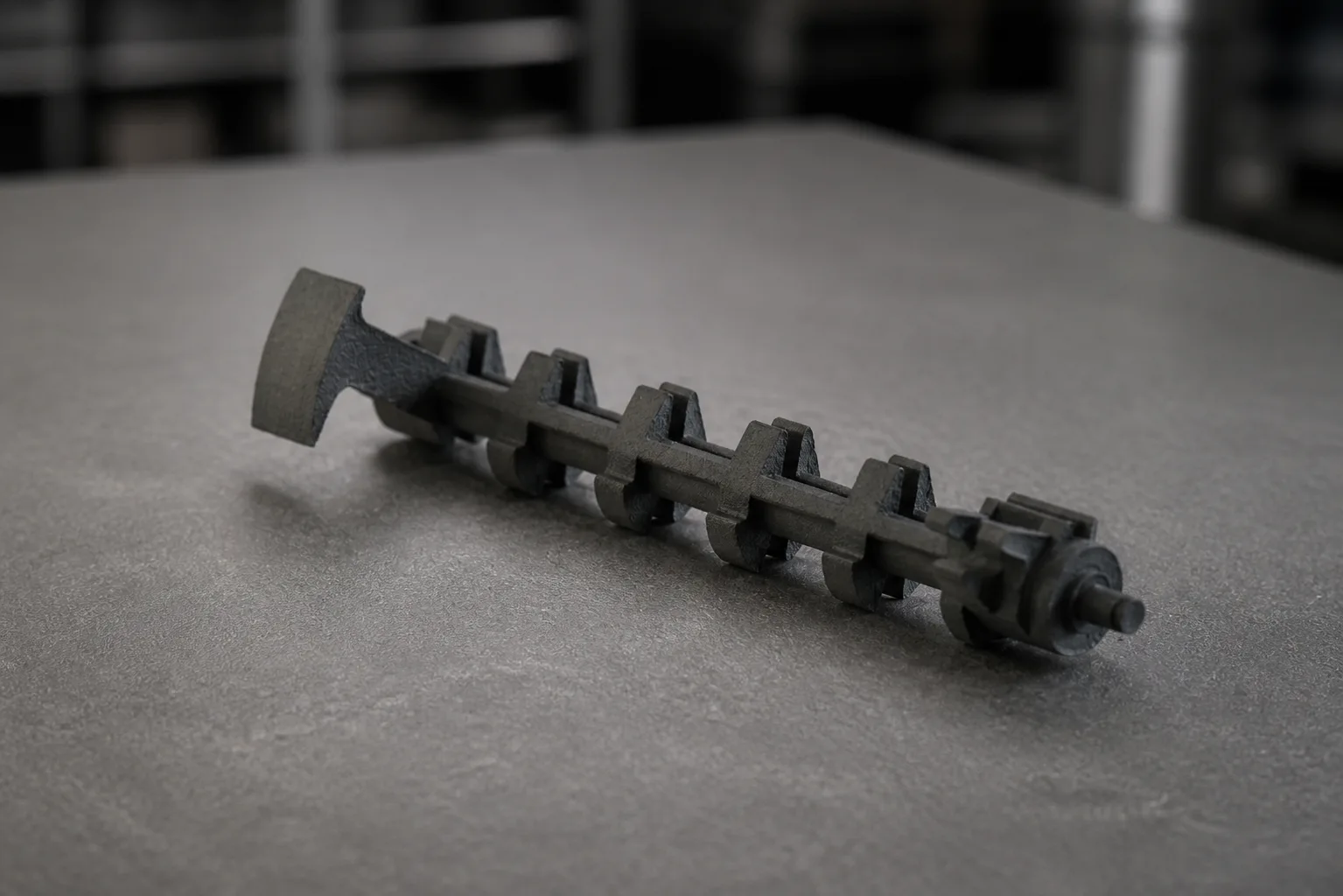
Long geometry with multiple mounting features
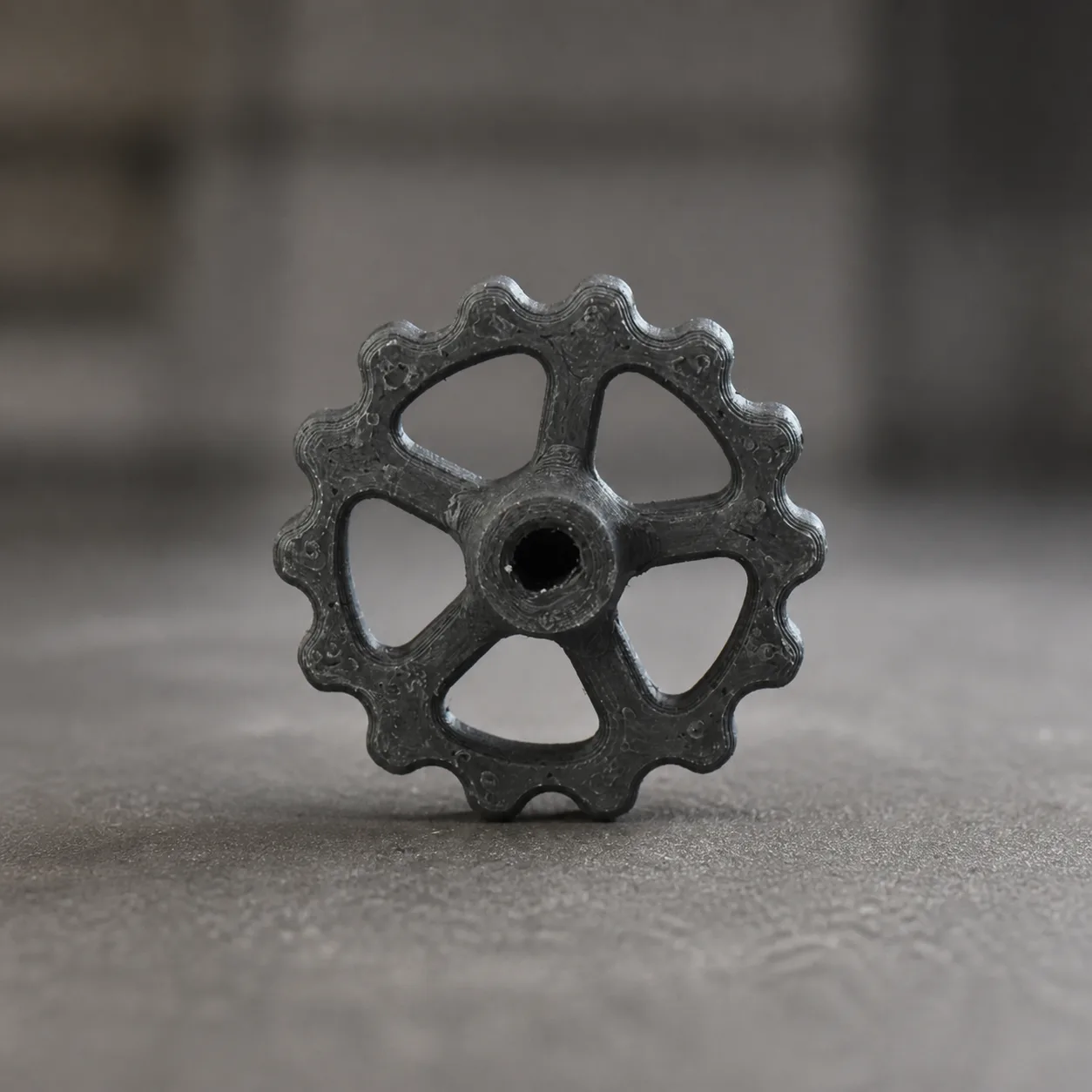
Spokes, teeth, and central hub
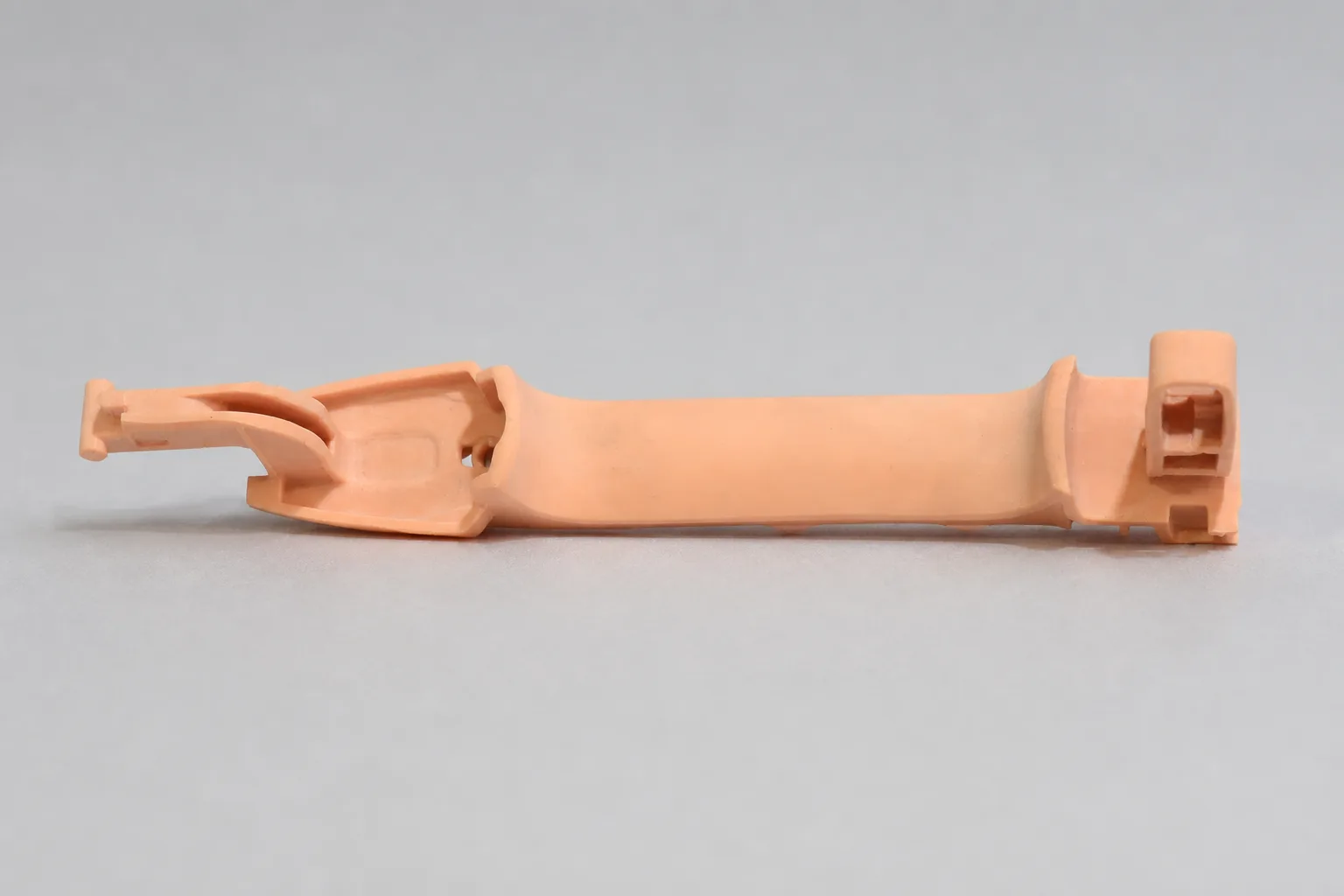
Fine clips, openings, and elongated form
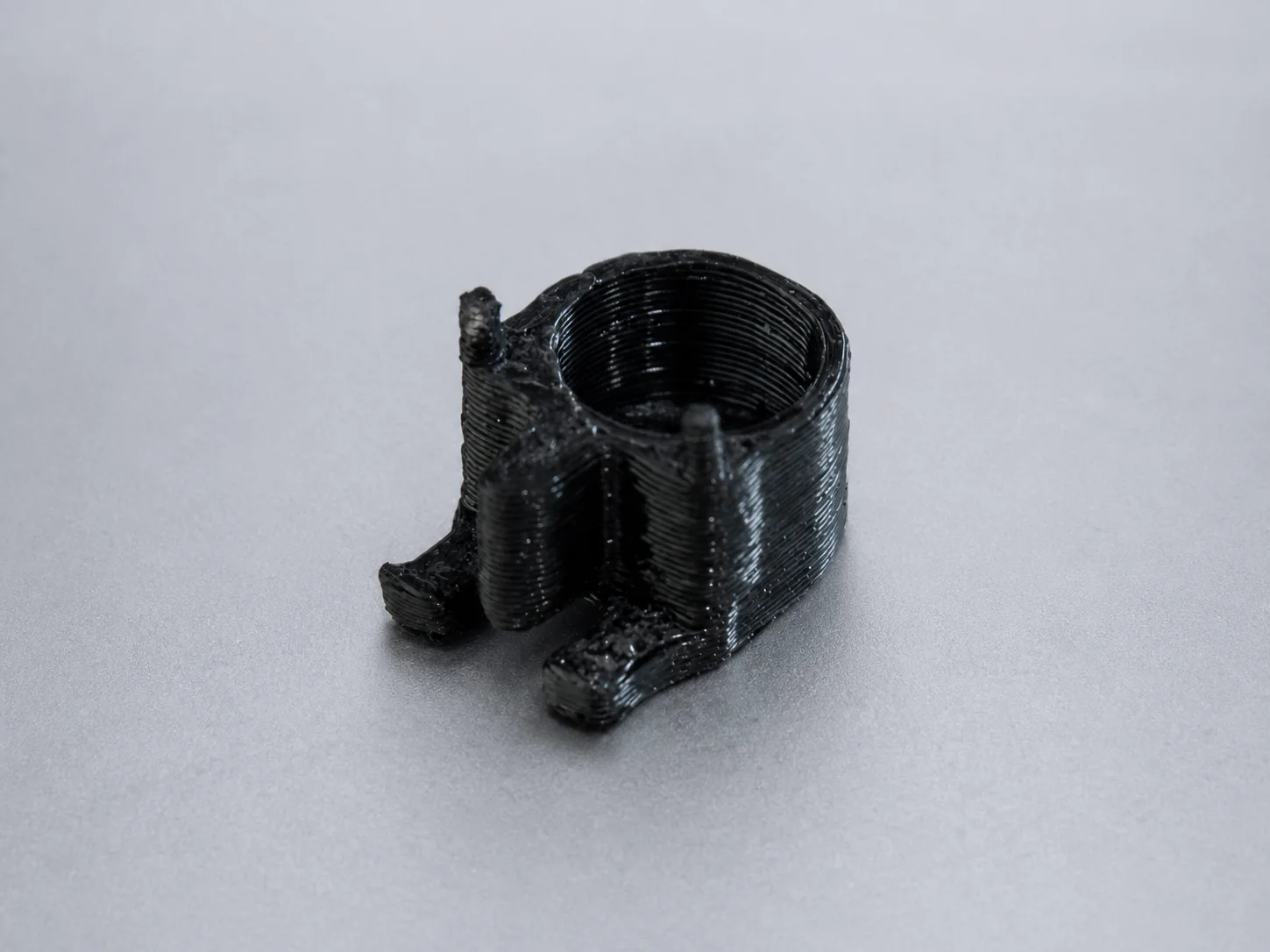
Internal thread and three external support ribs
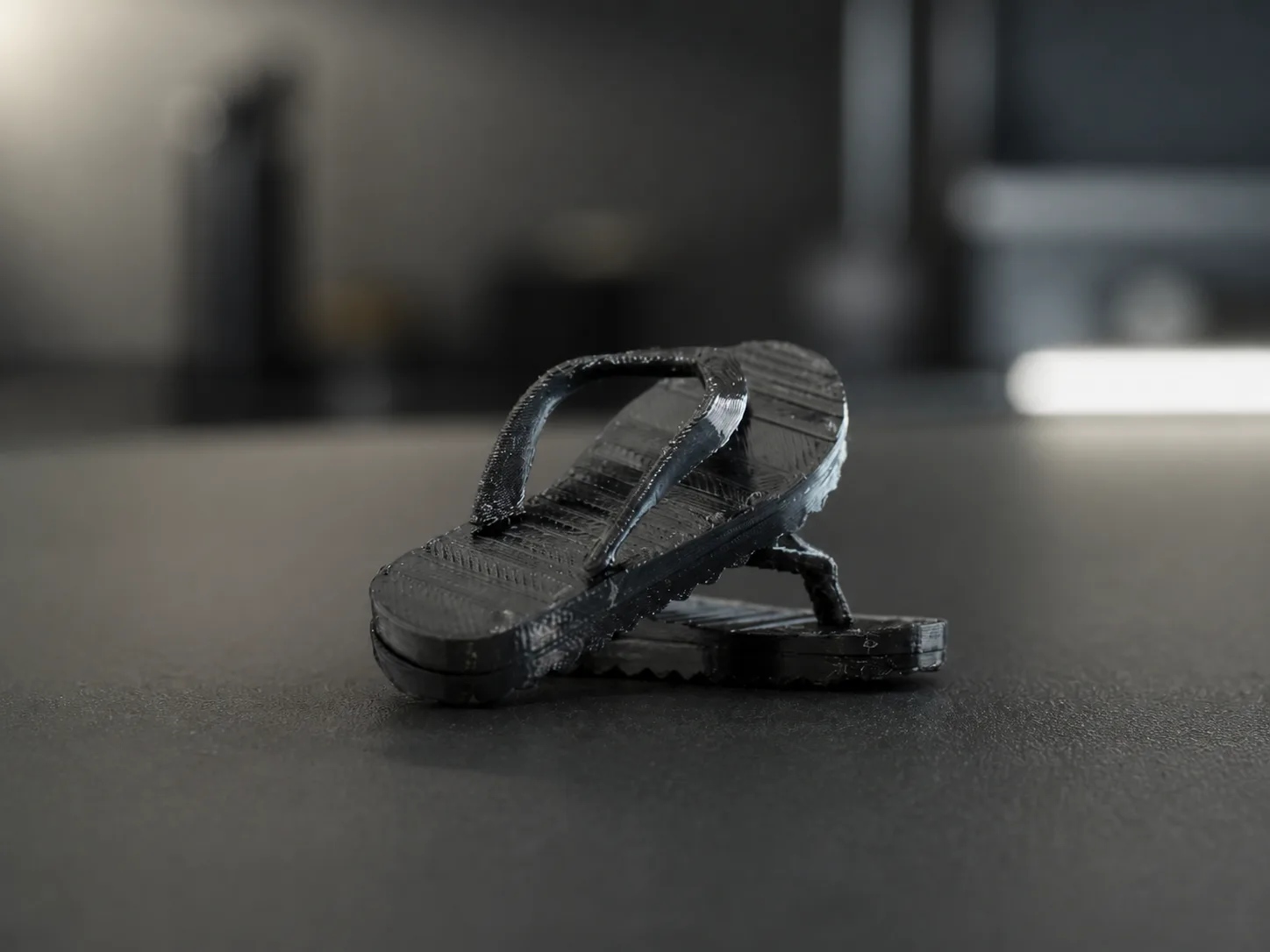
Flexible sample geometry
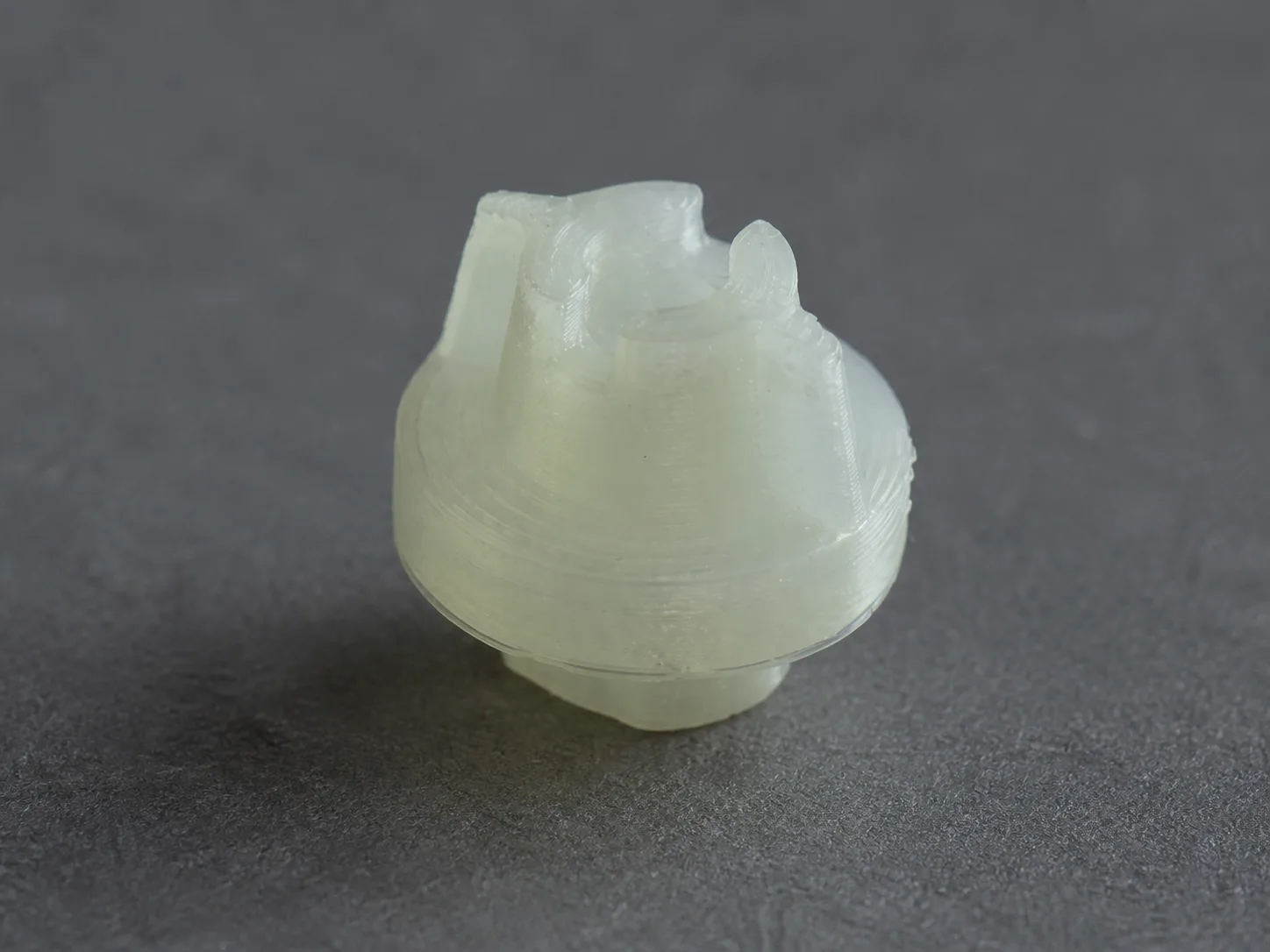
Rounded profile and visible printed layers
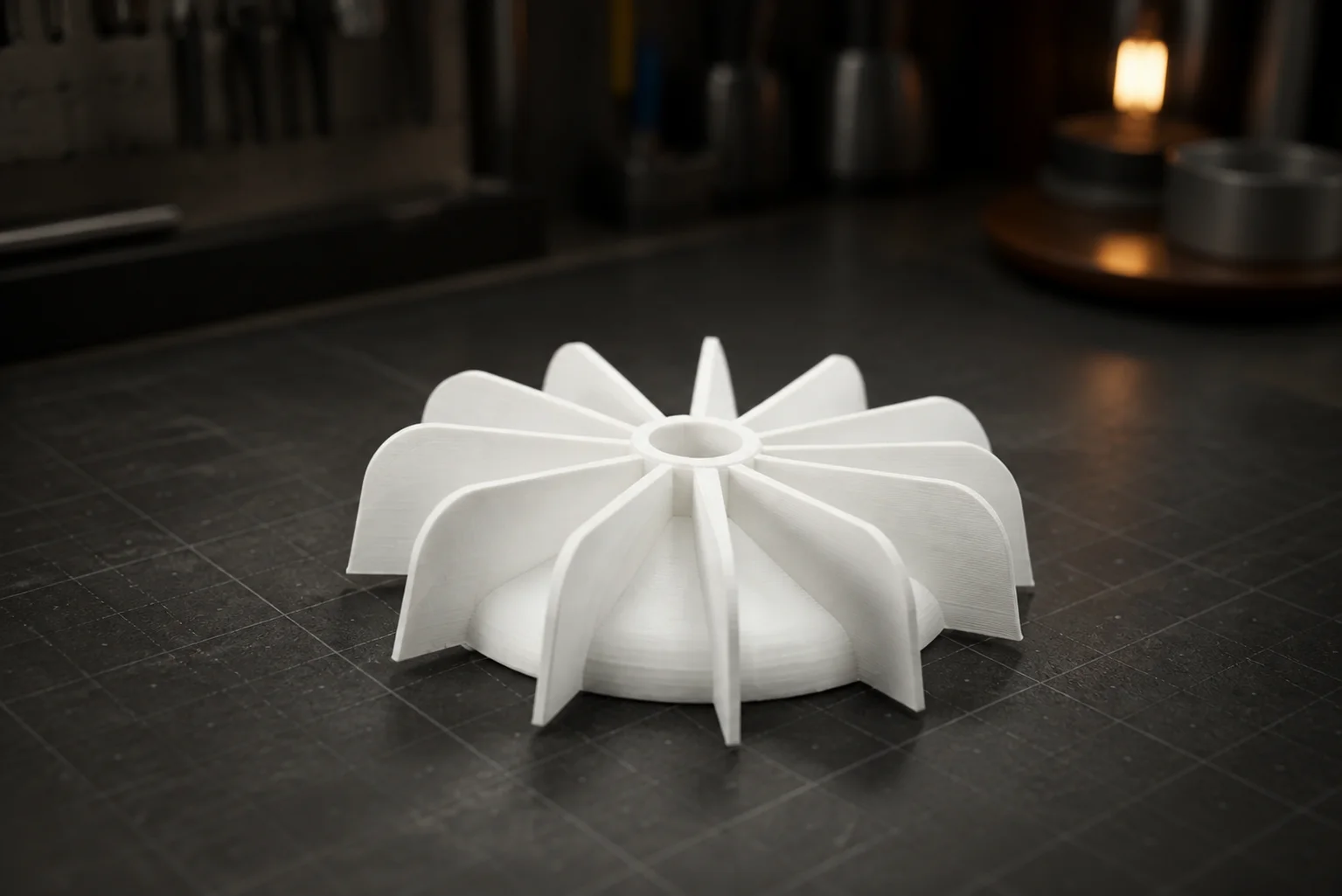
Radial blades and central opening
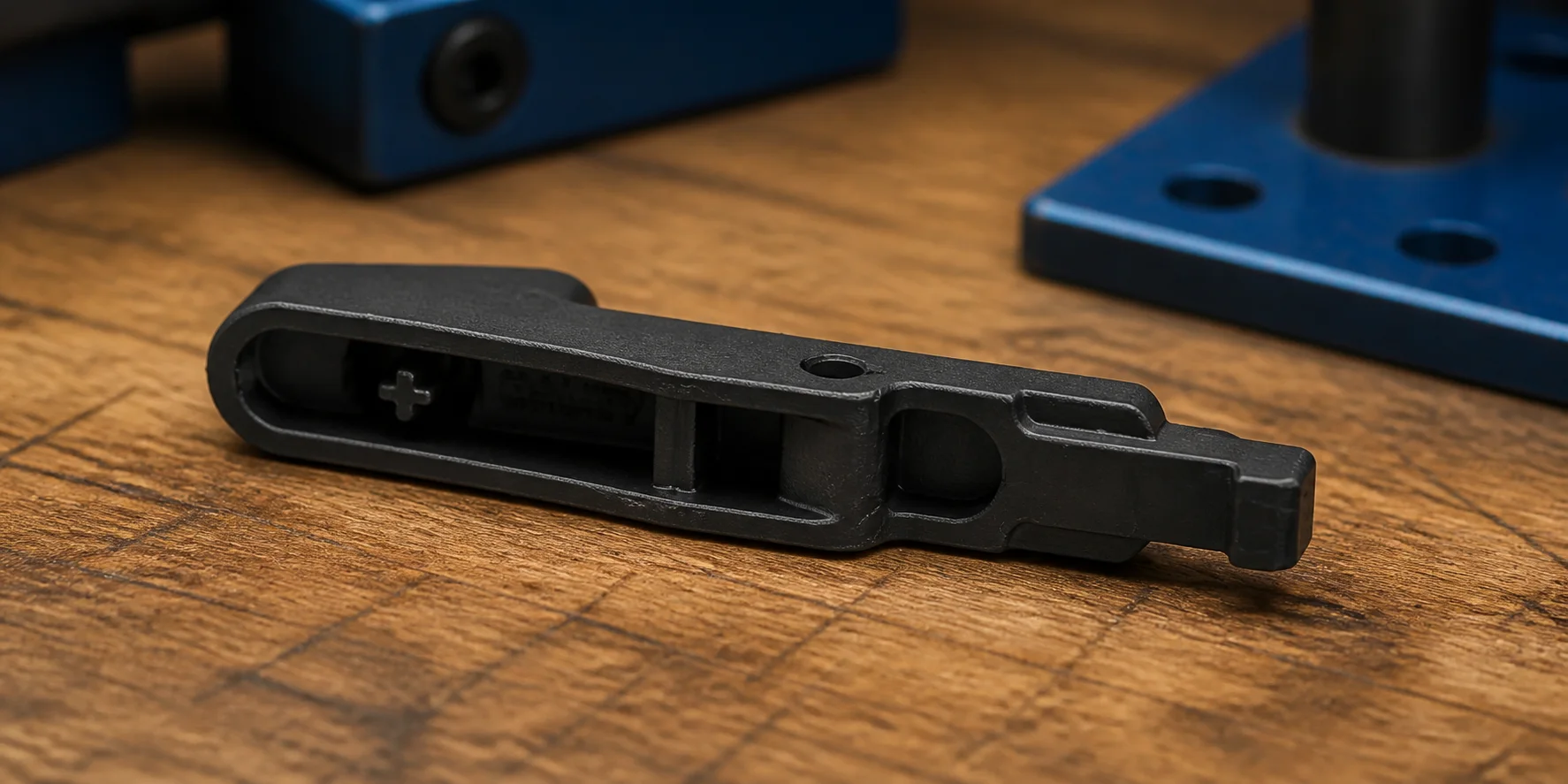
Long profile with small mounting details
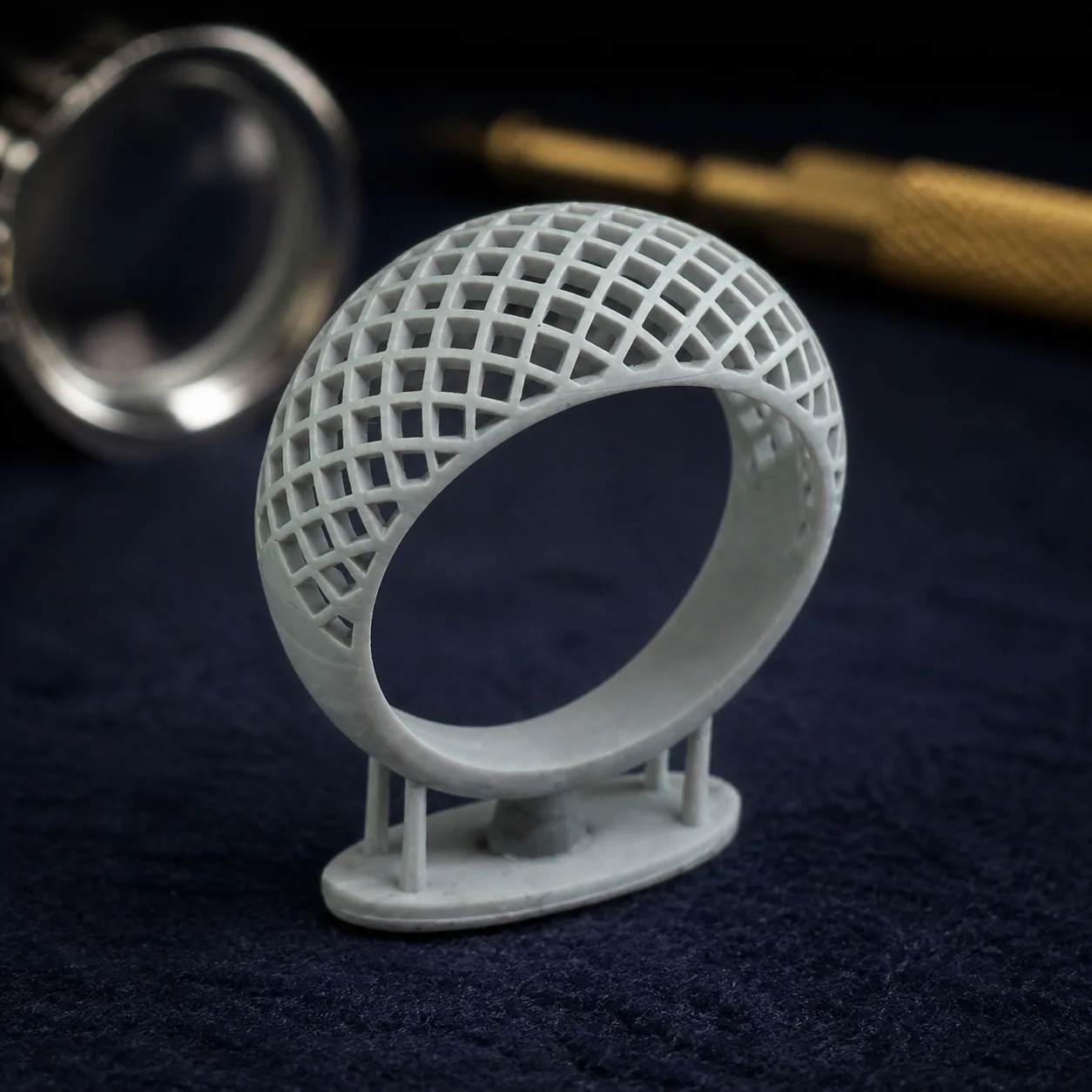
Fine lattice and curved ring profile
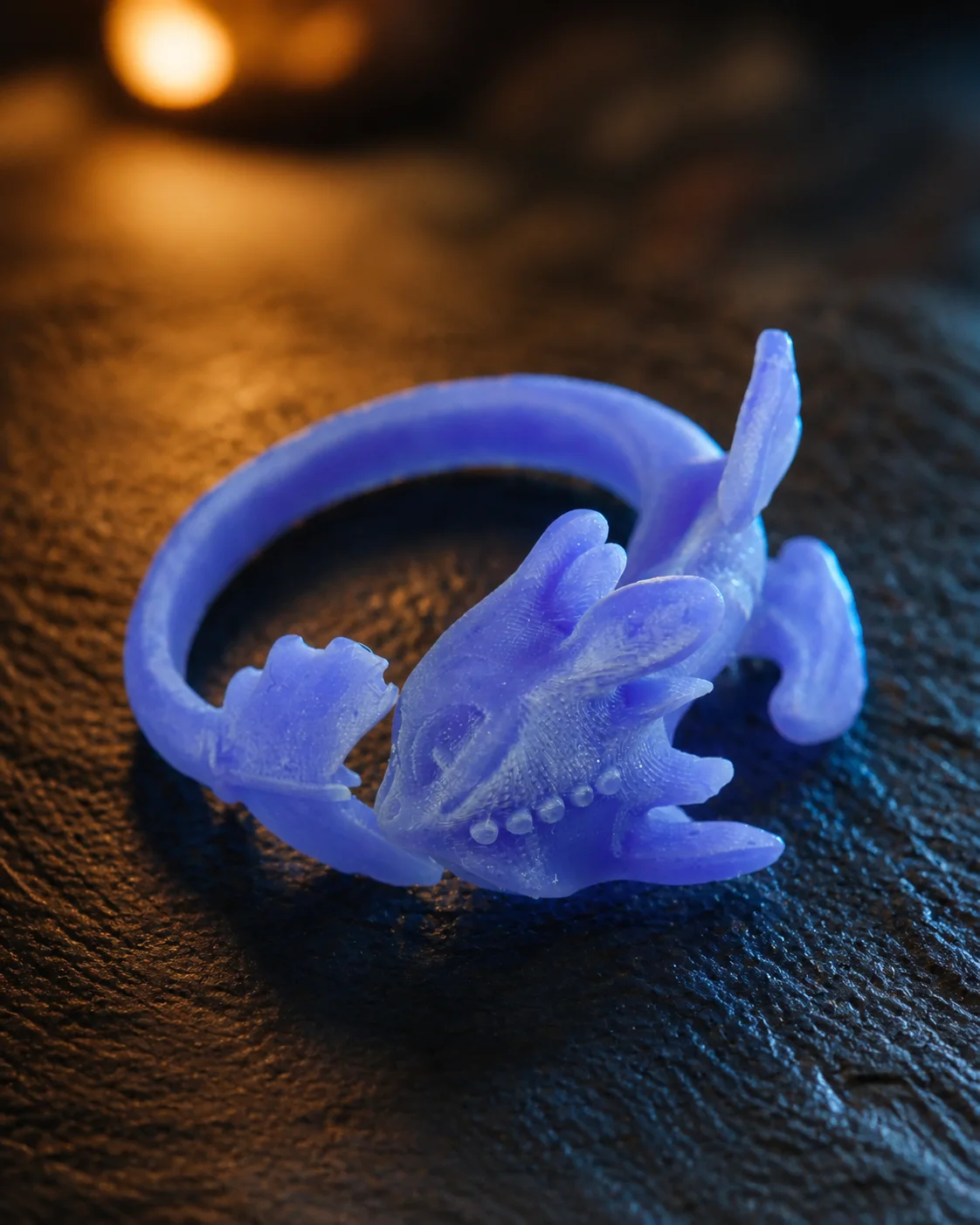
Fine relief, curves, and small features
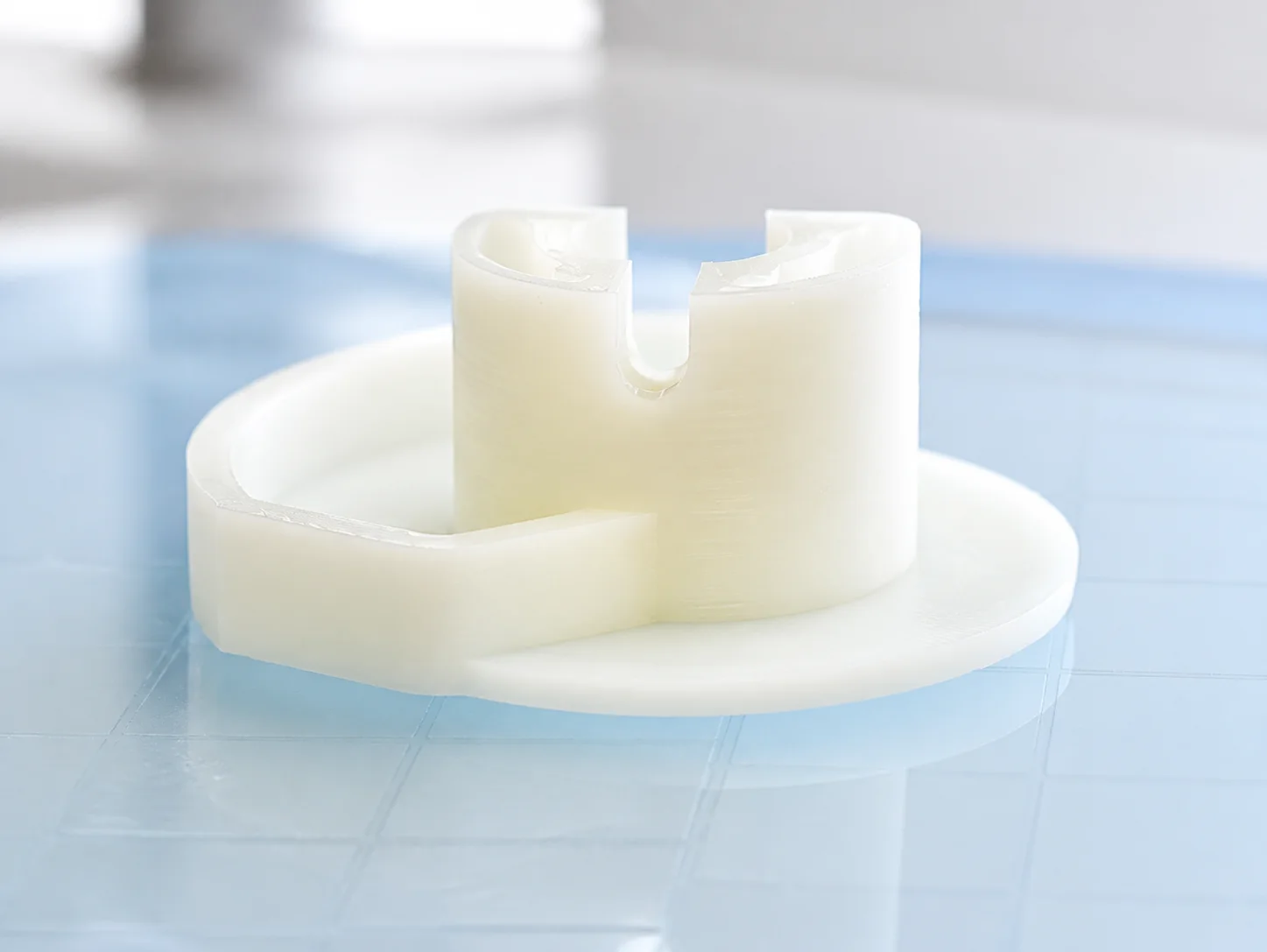
Flange, cylindrical wall, and top opening
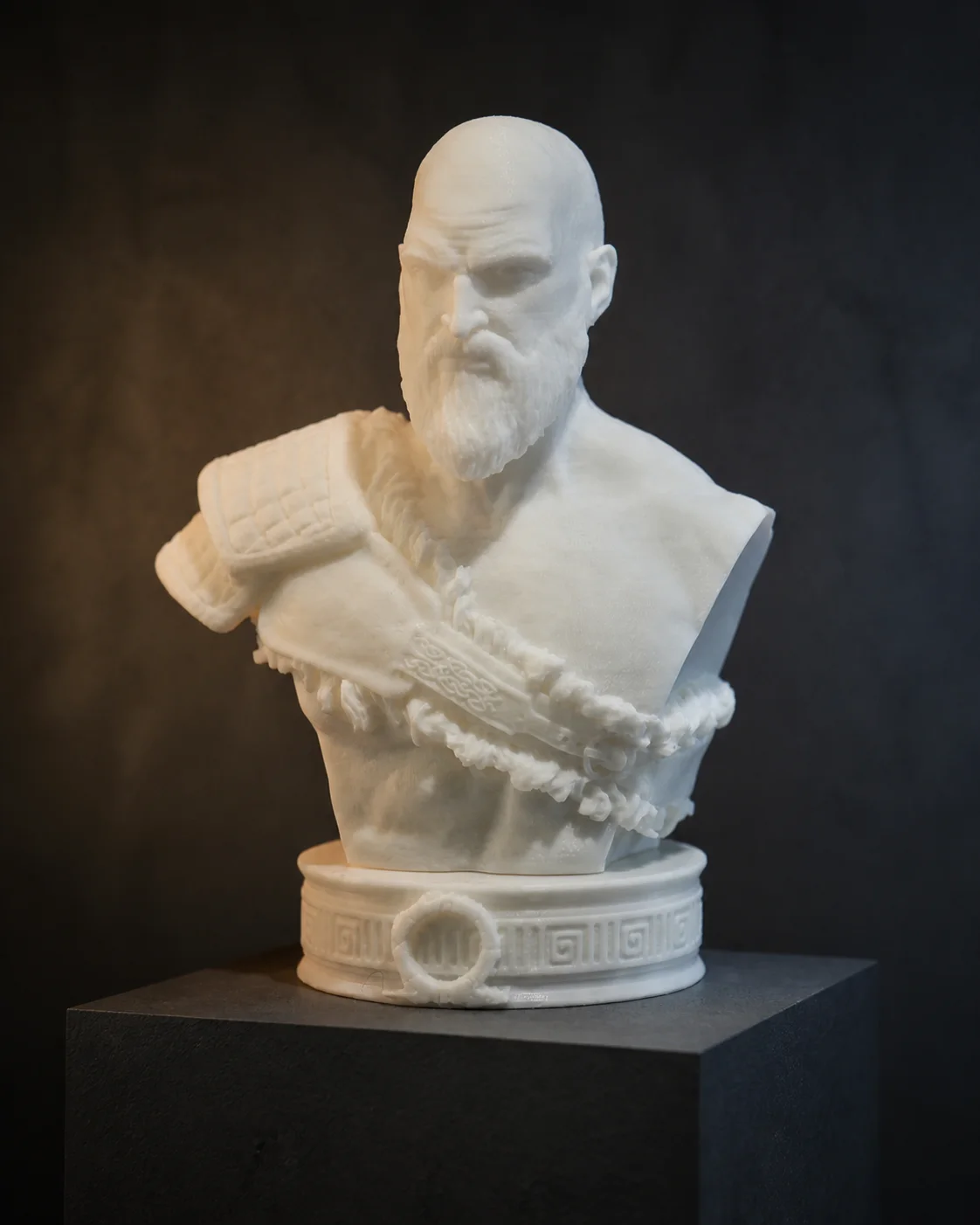
Curved surfaces and layered relief detail
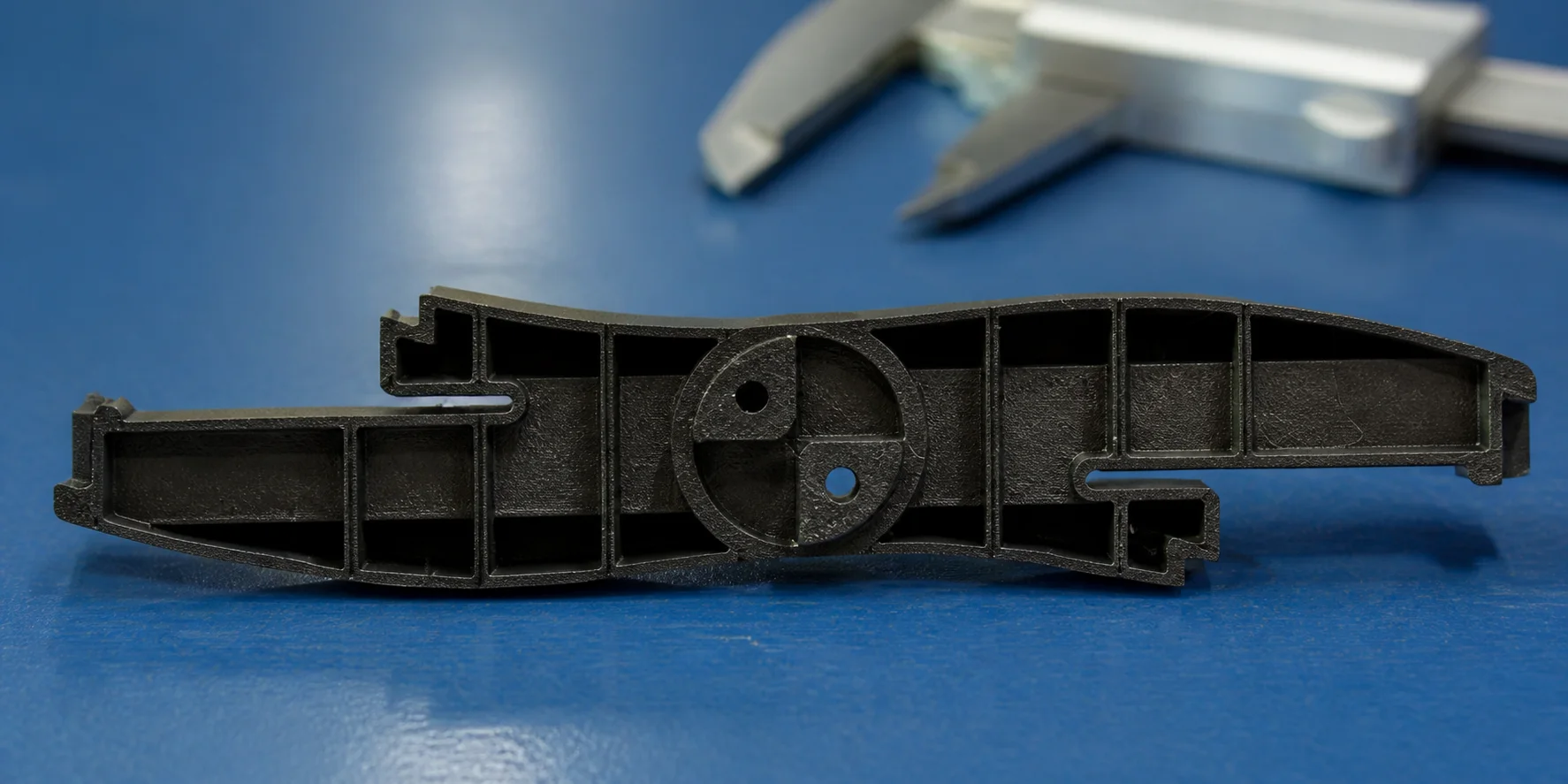
Thin walls, openings, and elongated geometry
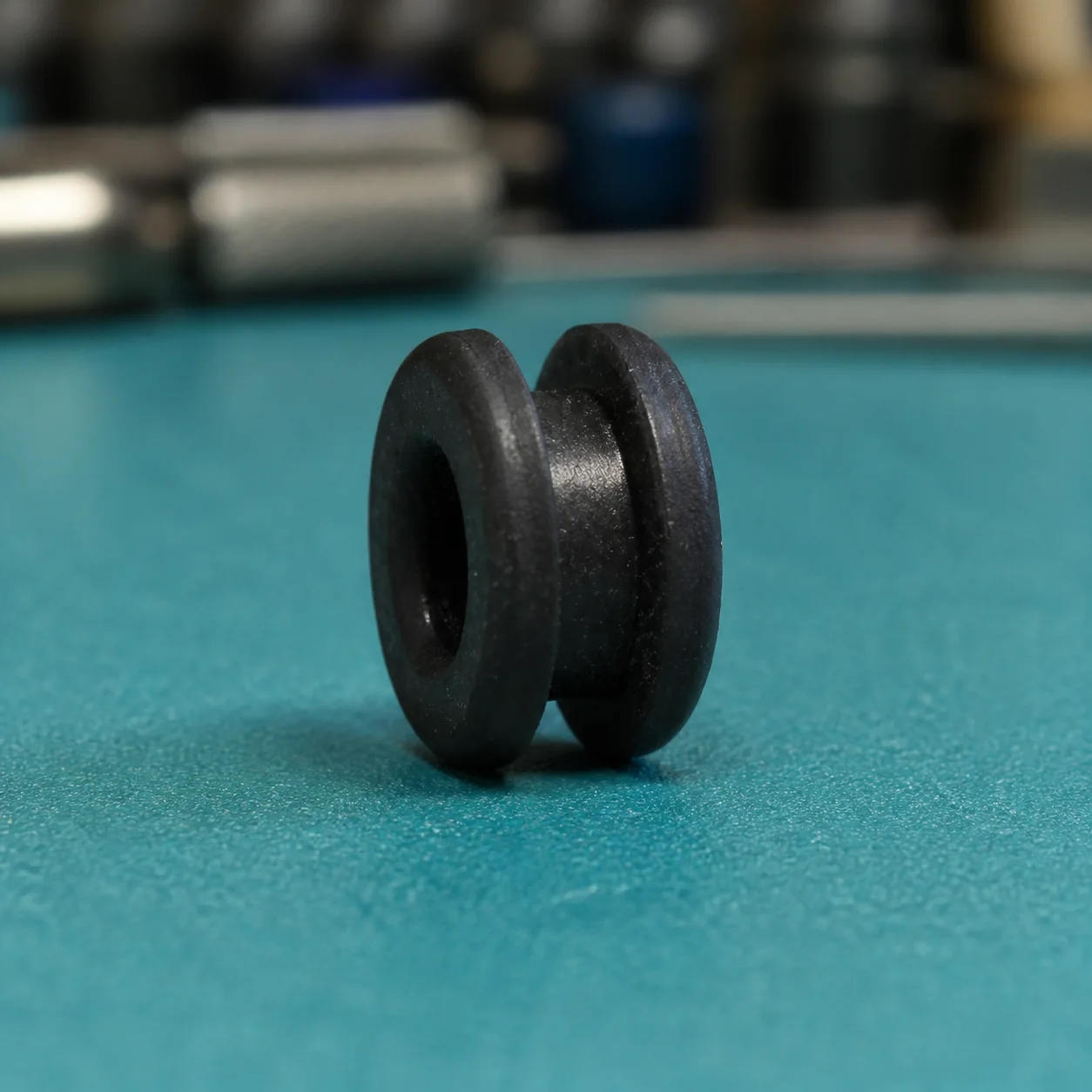
Rounded edge and center groove
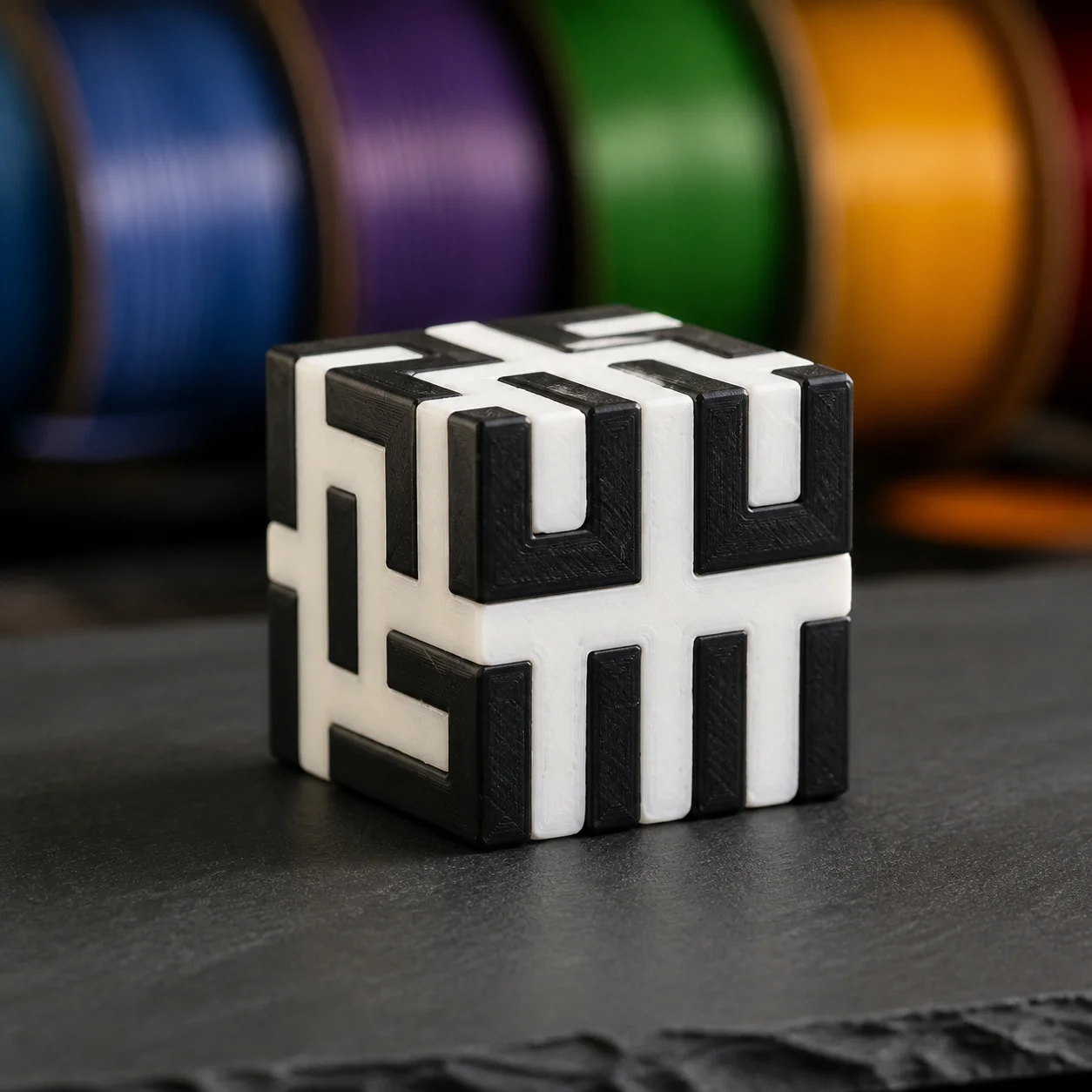
Two-color lattice paths across three visible faces
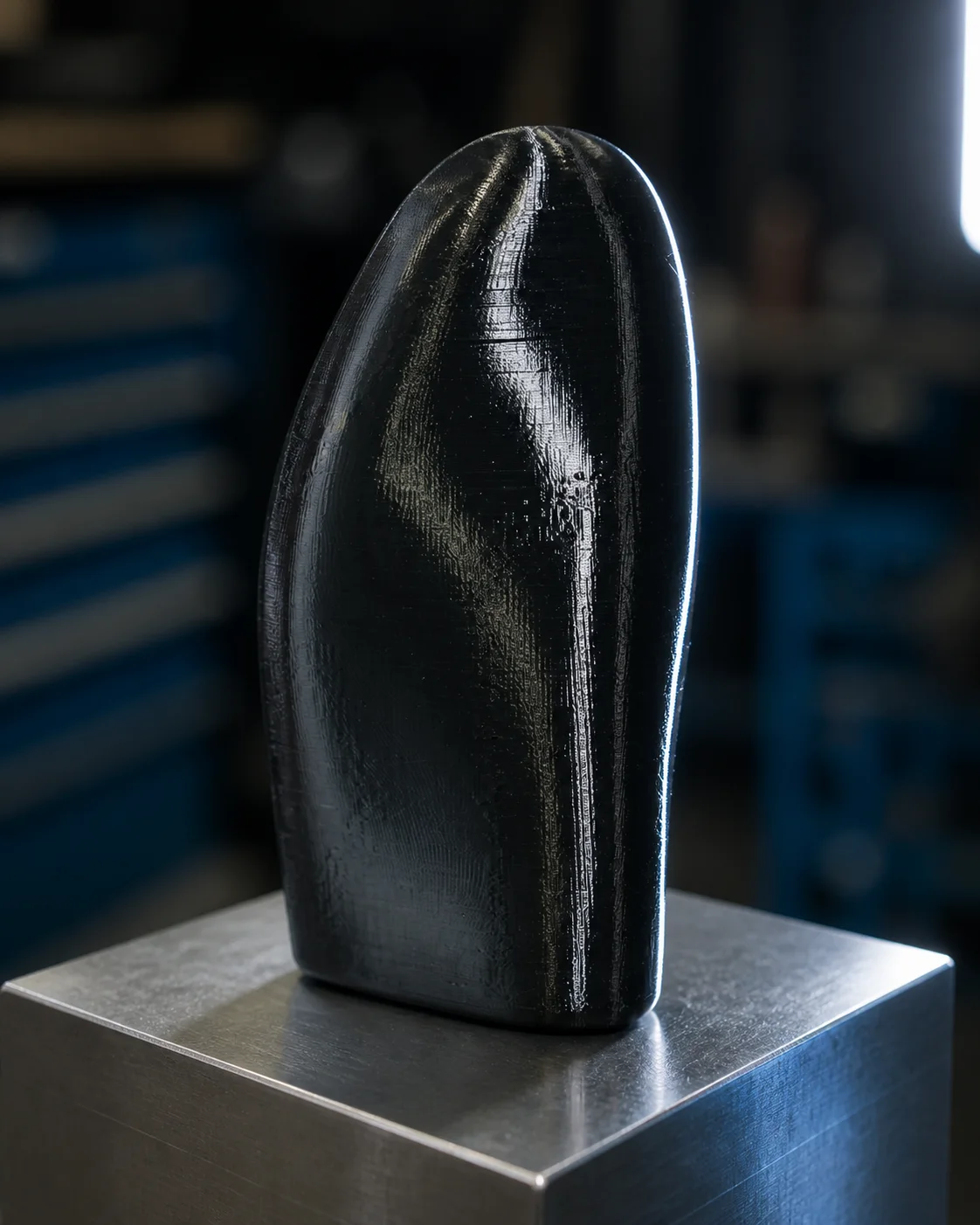
Tapered shell and continuous curved surface
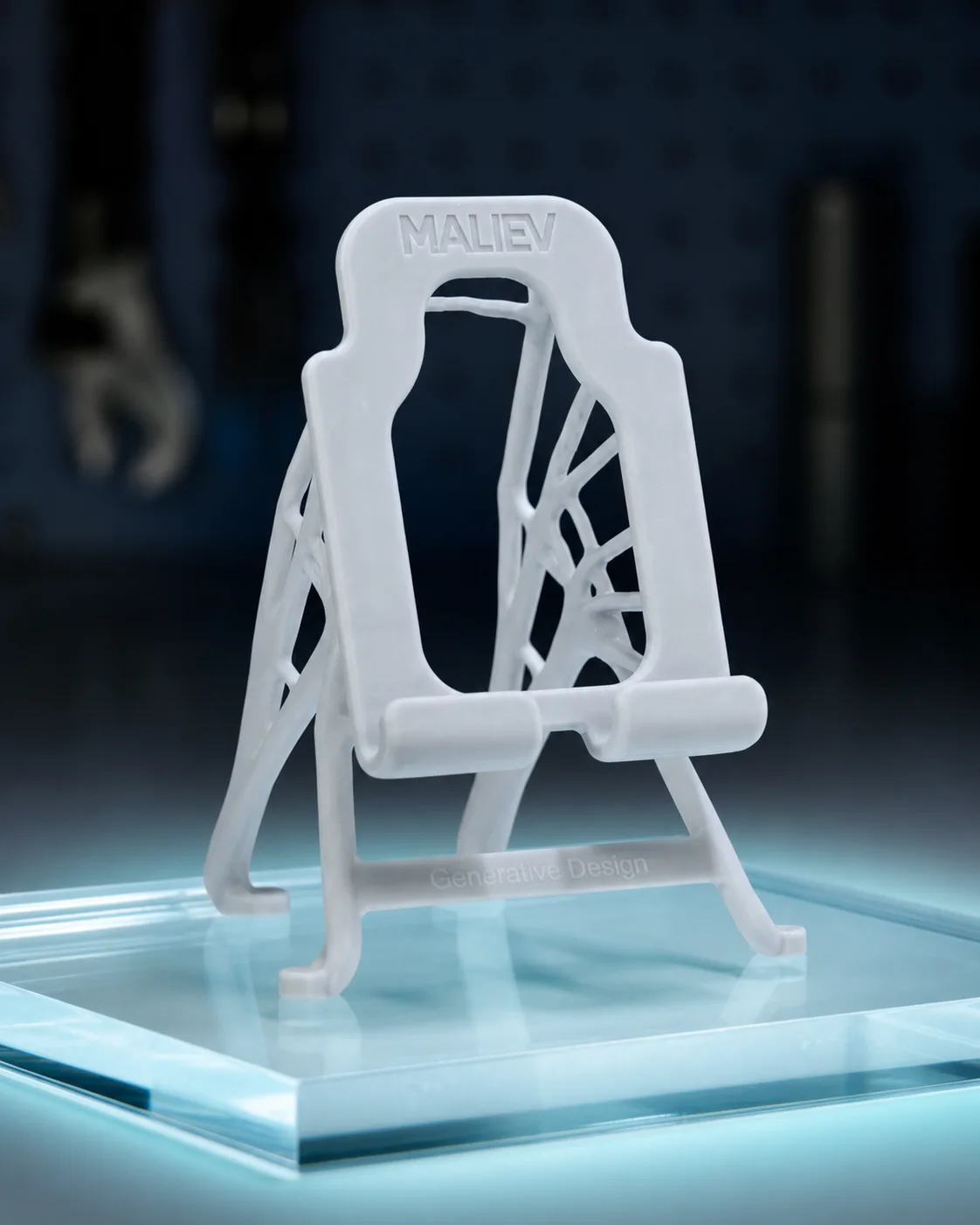
Open center, thin supports, and fine edges
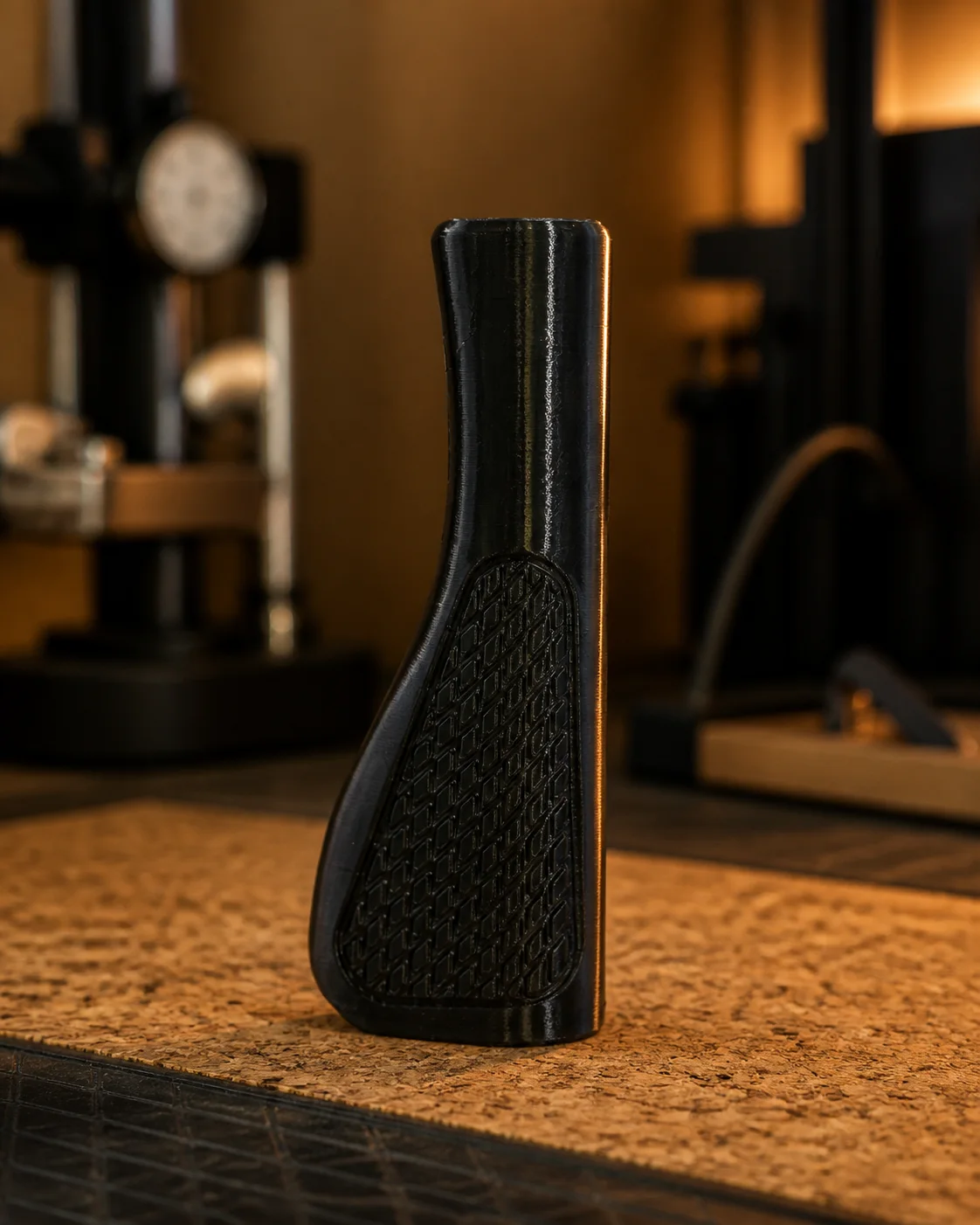
Tapered profile and textured grip surface
Upload FDM or resin models for instant pricing, or send industrial and safety-critical parts for engineering review.
Compare typical starting ranges for a well-designed part. These are not guarantees; send the drawing so we can confirm the critical dimensions before production.
±0.3–0.5 mmor ±0.5%
Small features · percentage basis above about 100 mm
±0.05–0.15 mmor ±0.2–0.3%
Features up to about 30 mm · percentage basis for larger dimensions
±0.3 mm or ±0.3%
Use whichever value is greater
±0.1–0.2 mmthen about ±0.1%
First 25 mm · percentage basis for the remaining nominal dimension
Material shrinkage, part size, build orientation, support placement, curing or thermal stress, and any post-machining.
Tolerance is not the same as fit. Two parts that each hold ±0.3 mm can still bind when assembled. Mark the dimensions that actually matter on your drawing — we can ream, tap, or machine those features after printing when the printed tolerance is not enough.
Use the Instant Quotation page to inspect the model, dimensions, bodies, and geometry warnings.
Choose by use case, environment, required behavior, color, and budget—not only appearance.
Orientation changes strength, visible layers, support marks, accuracy, print time, and cost.
Parts are printed, supports removed, split sections joined when required, and the approved finish checked before delivery.
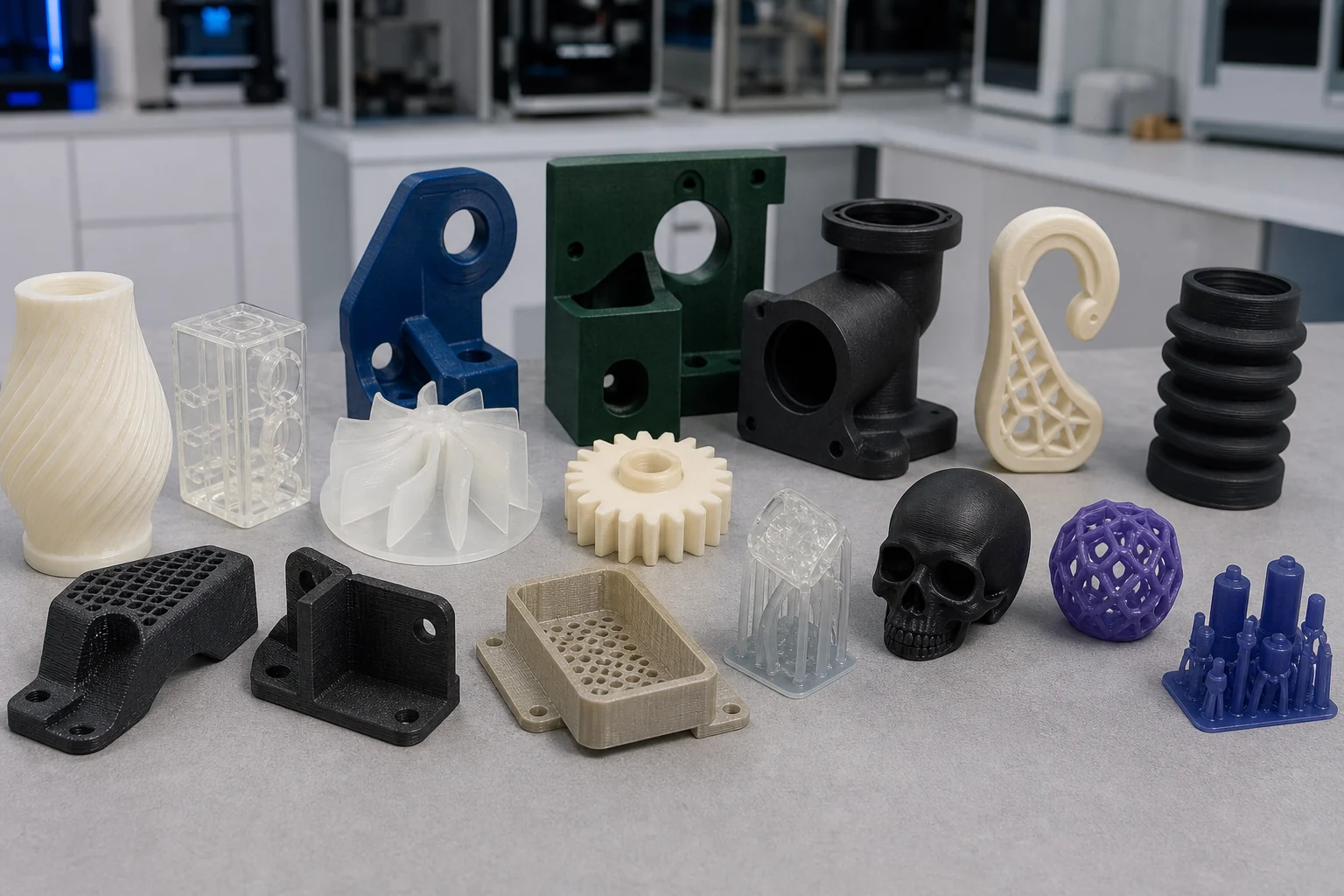
This guide follows the materials currently selectable in MALIEV Instant Quotation. Availability, color, manufacturer grade, and special performance requirements are confirmed with the order.
Search by material or application, then filter by process. These are practical starting points rather than complete engineering specifications.
24 materials
| Material | Process | Best for | Advantages | Watch-outs |
|---|---|---|---|---|
| PLAPolylactic Acid | FDM | Visual prototypes, models | Stable, crisp, economical | Low heat and impact resistance |
| PETGPET Glycol-modified | FDM | General functional parts | Tough, good layer bonding | Can string; moderate heat limit |
| ABSAcrylonitrile Butadiene Styrene | FDM | Enclosures, fixtures | Impact and heat resistant | Warping and shrinkage |
| ASAAcrylonitrile Styrene Acrylate | FDM | Outdoor housings | UV and weather resistant | Warping; enclosed print needed |
| HIPSHigh Impact Polystyrene | FDM | Light parts, ABS support | Easy to sand and machine | Lower strength; can warp |
| TPUFlexible Polyurethane | FDM | Grips, guards, seals | Flexible and impact tolerant | Slow print; limited stiffness |
| PCPolycarbonate | FDM | Demanding mechanical parts | Strong, heat and impact resistant | Moisture and warp sensitive |
| PC-FRBambu PC FR | FDM | Electrical enclosures | Strong, flame-retardant grade | Confirm required certification |
| PA6Nylon 6 | FDM | Gears, snap-fits, hinges | Tough, wear and fatigue resistant | Absorbs moisture |
| PA12eSUN ePA12 | FDM | Durable precision parts | Chemical resistant, lower moisture uptake | Drying and enclosure required |
| PLA-CFCarbon-fiber PLA | CF-FDM | Rigid visual fixtures | Stiff, light, matte finish | Brittle; low heat resistance |
| PETG-rCF08Fiberon · 8% recycled CF | CF-FDM | Functional fixtures | Stiffer with good toughness | Abrasive; anisotropic |
| PET-CF17Fiberon · 17% carbon fiber | CF-FDM | Jigs, tooling, fixtures | High stiffness, low warp | Abrasive; needs dry handling |
| PA-CFCarbon-fiber Nylon | CF-FDM | Loaded engineering parts | Excellent stiffness-to-weight | Moisture sensitive; costly |
| ASA-CFBambu ASA-CF | CF-FDM | Rigid outdoor parts | UV stable, stiff, matte | Abrasive; drying required |
| PETG-ESDESD-safe PETG | Specialty FDM | Electronics trays and housings | Tough, static dissipative | Confirm resistance requirement |
| PA612-ESDFiberon PA612-ESD | Specialty FDM | Electronics jigs and fixtures | Reinforced ESD nylon | Drying, hardened nozzle; test ESD |
| ABS-ESDeSUN ABS-ESD | Specialty FDM | Electronics fixtures and housings | Static-dissipative ABS | Supplier out of stock; confirm procurement |
| ABS-FRFlame-retardant ABS | Specialty FDM | Fire-aware enclosures | Impact resistant, FR grades | Confirm grade; can warp |
| PVAWater-soluble Support | Support FDM | Internal channels, complex overhangs | Dissolves in water | Support only; moisture sensitive |
| Standard ResinM68 | SLA / DLP | Detailed visual models | Smooth and precise detail | Brittle; UV aging |
| Tough ResinK | SLA / DLP | Snap-fits, functional models | Improved impact and flex | Not equal to molded plastic |
| Transparent ResinG217 | SLA / DLP | Clear prototypes, light guides | Clear with fine detail | Finishing affects clarity |
| Flexible ResinF80 | SLA / DLP | Soft seals and details | Soft, rubber-like response | Limited tear and aging life |
| Castable Wax ResinCASTWAX | SLA / DLP | Jewelry and casting patterns | Clean investment-casting burnout | Pattern only, not final part |
| No materials match your search. Try another term or reset the filters. | ||||
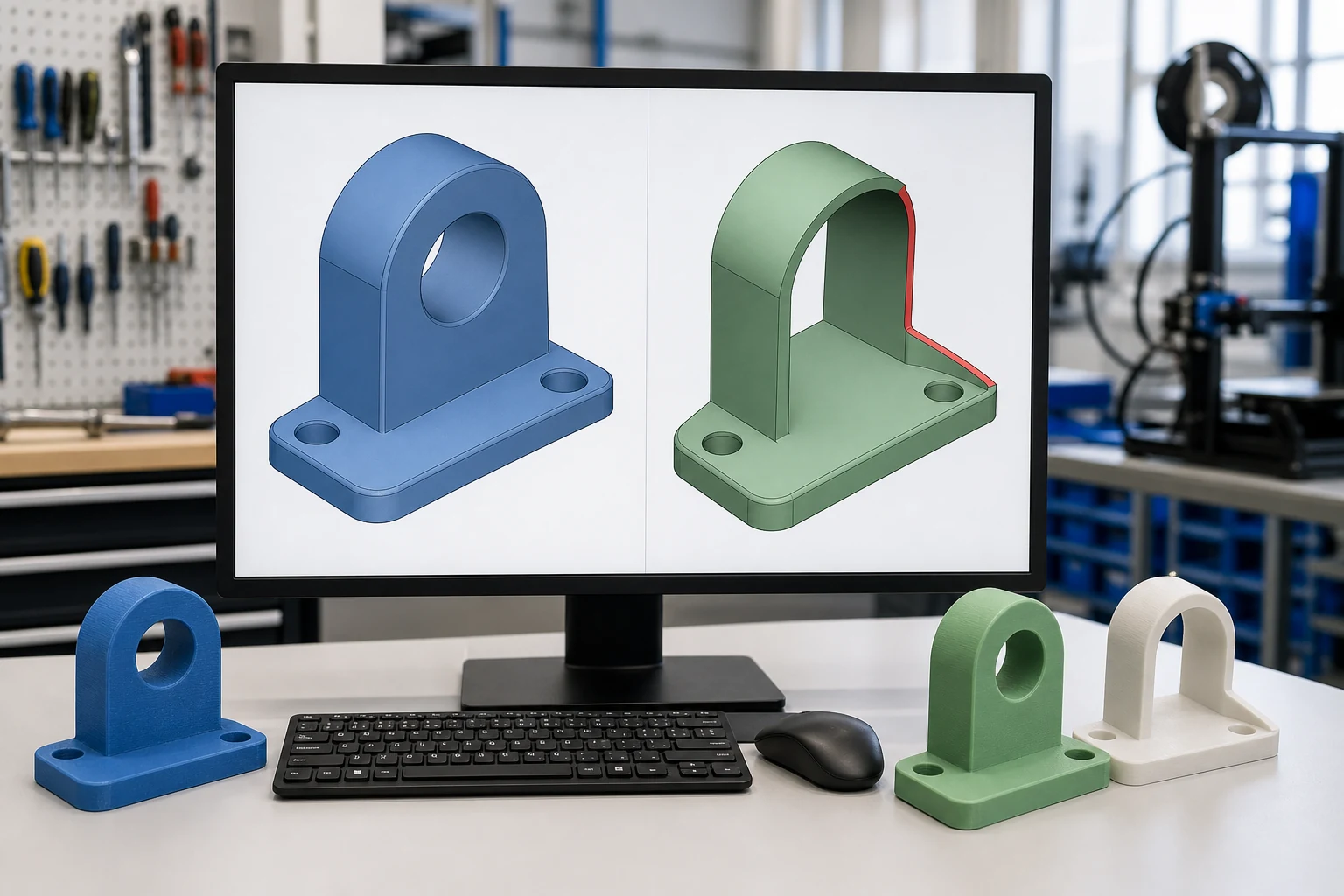
Repair holes, inverted faces, self-intersections, non-manifold edges, and accidental duplicate shells. Confirm the intended unit and final dimensions.
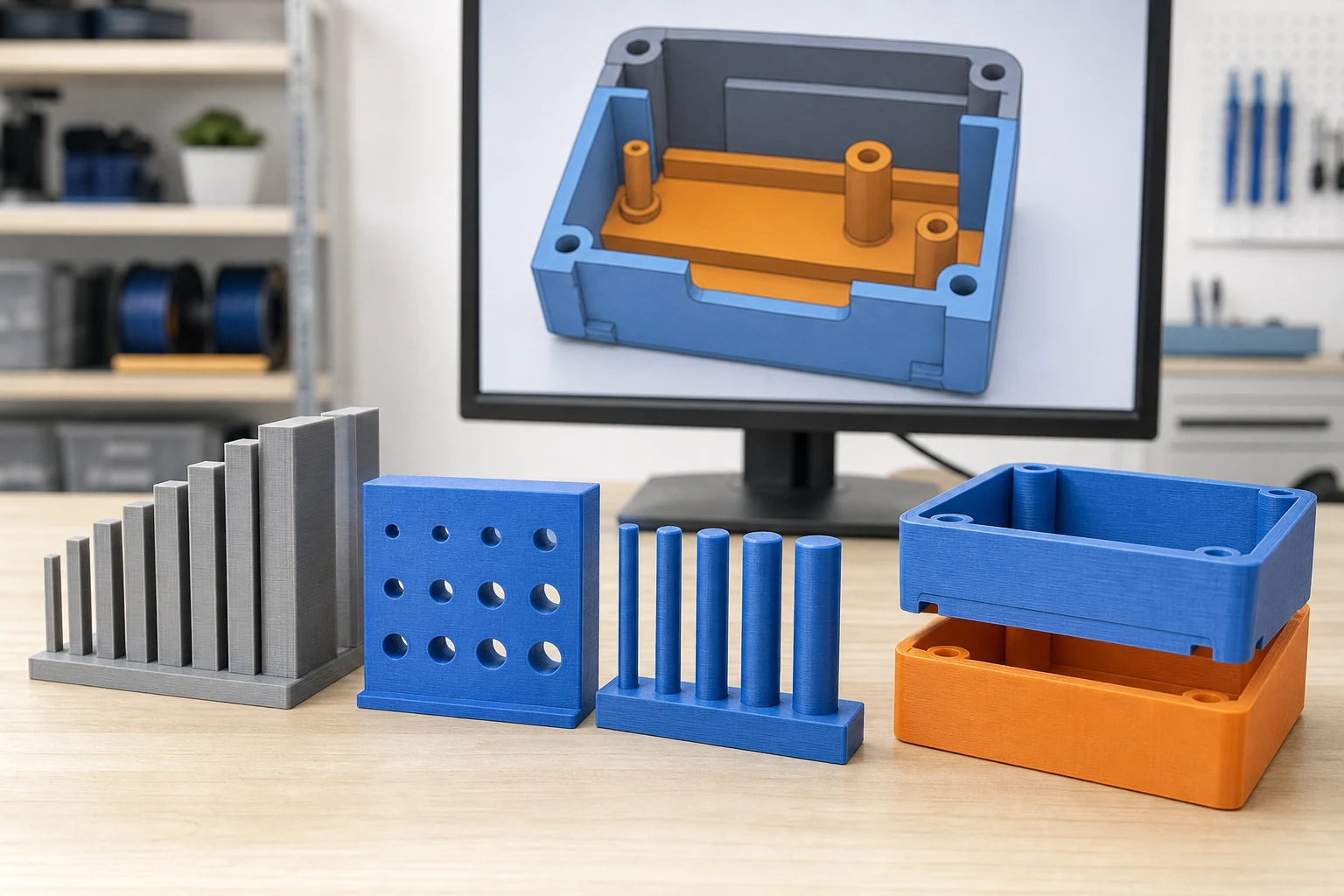
Minimum wall, pin, hole, text, and clearance depend on process, material, orientation, and part size. Avoid assuming CAD-perfect fit.
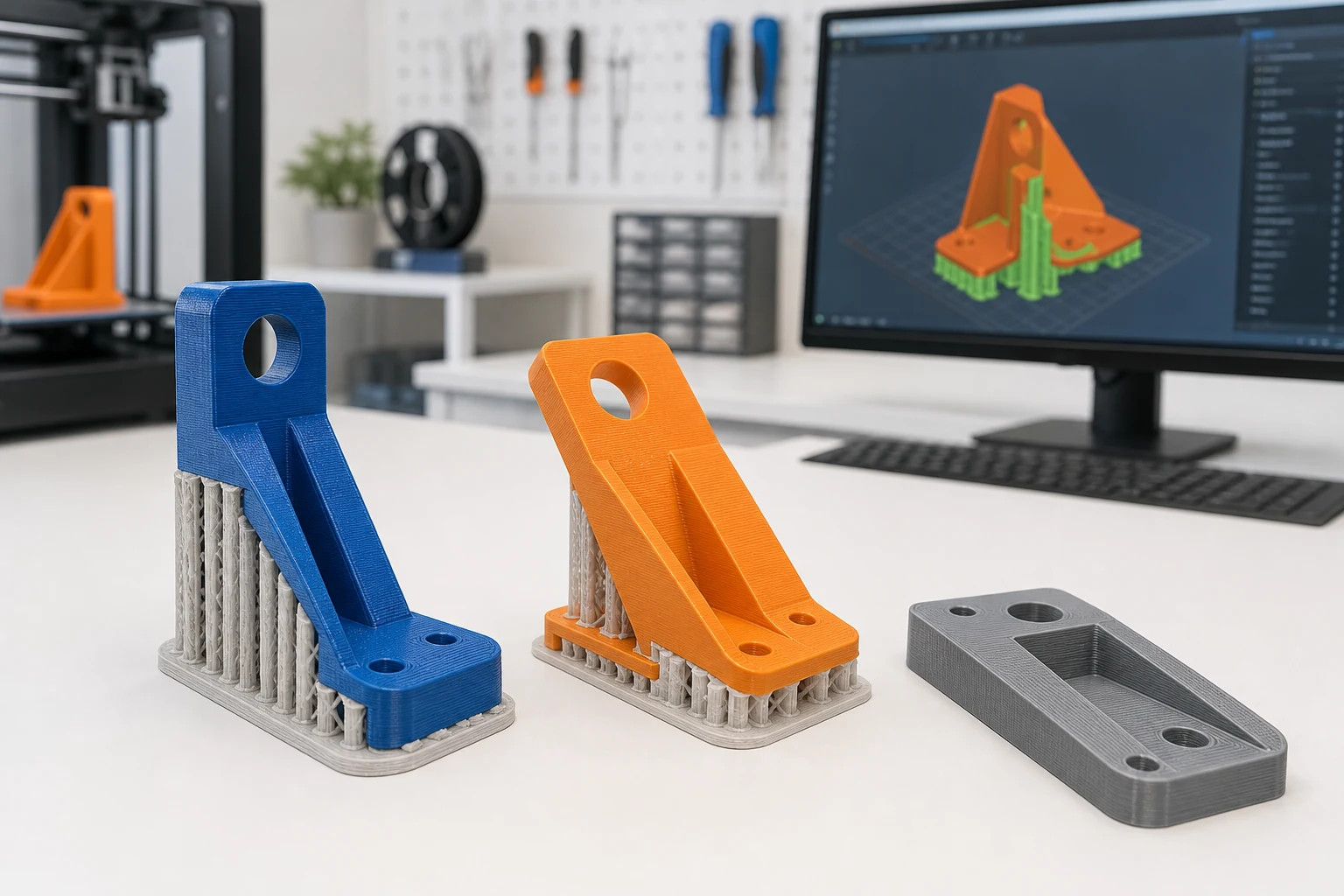
Place critical surfaces deliberately. Layer direction changes mechanical behavior; supported faces may show marks and need finishing.
Use these focused guides to decide orientation, fit clearance, and the right printing process before requesting production.
Understand why layer direction, supports, and the load path must be reviewed together.
Plan test coupons and functional clearance instead of assuming the CAD nominal size will fit.
Compare process behavior, detail, strength, supports, and post-processing for the real part requirement.
Indicative starting prices for FDM and resin are listed in the pricing section on this page. The final price depends on material, occupied volume, print time, support, orientation, risk, finishing, and quantity. Upload the actual model to Instant Quotation for an estimate.
Shipping within Thailand starts at THB 100. The final amount depends on packed weight, parcel volume, and destination. Pickup is available at our Pak Kret workshop by appointment.
Yes, but these processes require a manual quotation. MJF and SLS suit high-quality, durable, and production-volume polymer parts, so their process and batch costs differ significantly from desktop FDM. SLM and DMLS produce metal parts in materials such as aluminium, tool steel, and stainless steel; available alloys and feasibility are confirmed per project.
FDM lead time usually starts at 1 day, and resin usually starts at 7 days. MJF, SLS, SLM, and DMLS typically require around 14 days. Geometry, material availability, finishing, quantity, quality checks, and production queue can extend these estimates.
There is no single strongest choice for every condition. Stiffness, impact, fatigue, heat, chemicals, moisture, UV, layer direction, and failure mode matter. Describe the application so we can narrow the options.
Yes. There is no minimum quantity. Multiple identical parts may use the machine more efficiently, which can improve unit price depending on geometry and process.
Orientation affects layer-direction strength, support, visible surface quality, dimensional behavior, build time, and risk. The visually best orientation is not always the mechanically best one.
Sometimes, especially for prototypes, low quantity, custom geometry, and fixtures. Long-term loads, heat, chemicals, finish, tolerances, certification, and production volume may make another process more suitable.
Use these starting points to choose a service. The final quotation is confirmed after we review geometry, material, quantity, finish, tolerances, and delivery requirements.
Practical prototypes, fixtures, and larger functional parts in engineering thermoplastics. Lead time usually starts at 1 day.
Starts at approximately THB 300Fine detail and smooth surfaces for presentation models, patterns, and smaller parts. Lead time usually starts at 7 days.
Starts at approximately THB 500MJF, SLS, SLM, and DMLS for specialist materials, larger production runs, or tighter specifications. Lead time is typically around 14 days.
Quote after file reviewPrices are planning references, not a binding offer. We will confirm the scope, tax, delivery, and any revision or finishing work before production.
We accept customer files throughout Thailand and ship completed parts nationwide by parcel. Shipping within Thailand starts at THB 100; the final amount depends on packed weight, parcel volume, and destination.
Pickup is available at our Pak Kret workshop by appointment. For workshop consultation, drop-off, or collection in Pak Kret, notify us by phone or LINE Official Account, or schedule an appointment before visiting.
Onsite work is available for applicable services after project review; travel is quoted by distance and project scope.
Maliev Co., Ltd.
Business hours
Monday-Friday: 09:00-18:00
Saturday-Sunday: Closed
Upload the file, inspect the model, choose material and quantity, and receive an instant estimate. Quoting is free and takes minutes. If the part needs finishing, assembly, or a process we should discuss first, ask an engineer instead.
Your files stay confidential. We sign an NDA on request. Read our NDA